Published by HALOX Co.
What a camshaft actually does
Read camshaft lift, duration and timing separately, with a Toyota VVTL-i example showing how timing and lift control can coexist.
The shafts under a valve cover decide when the engine’s valves open and how they move. A camshaft carries shaped lobes. As it turns, each lobe moves a follower; the valve is actuated directly or through further parts such as a rocker.
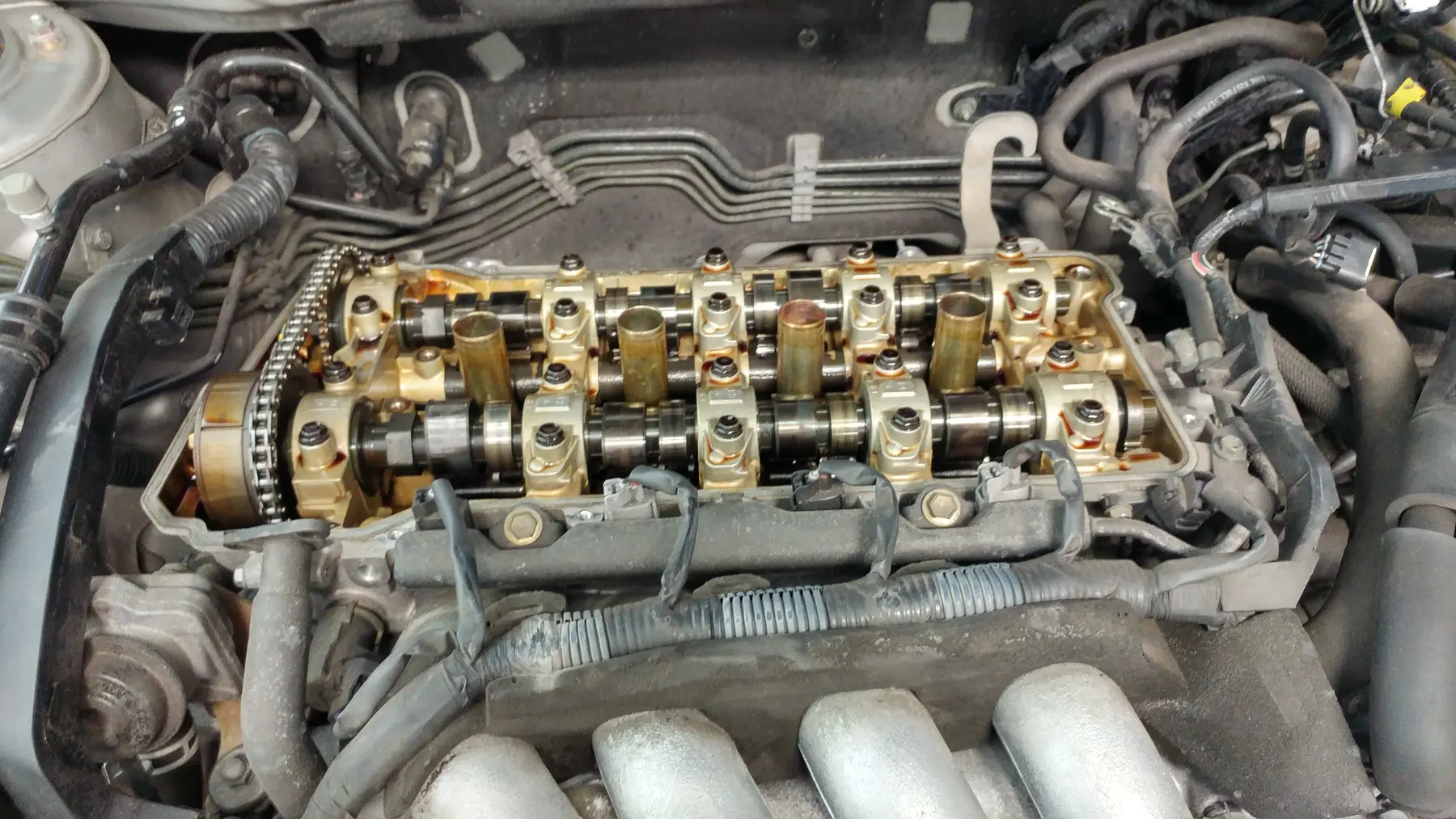

Lift, duration and timing are different
Lift is a distance. Lobe lift measures the follower’s rise from the lobe’s base circle; valve lift measures the valve’s movement. A rocker ratio can make those distances different. Duration is the number of crankshaft degrees between opening and closing at a specified measurement threshold. Two duration figures need the same threshold before they are meaningfully comparable.
In a conventional four-stroke engine the camshaft turns once for two crankshaft revolutions. That keeps the valve events aligned with intake, compression, power and exhaust. COMP Cams’ timing tutorial explains the ratio and the distinction between lobe lift, valve lift and duration.
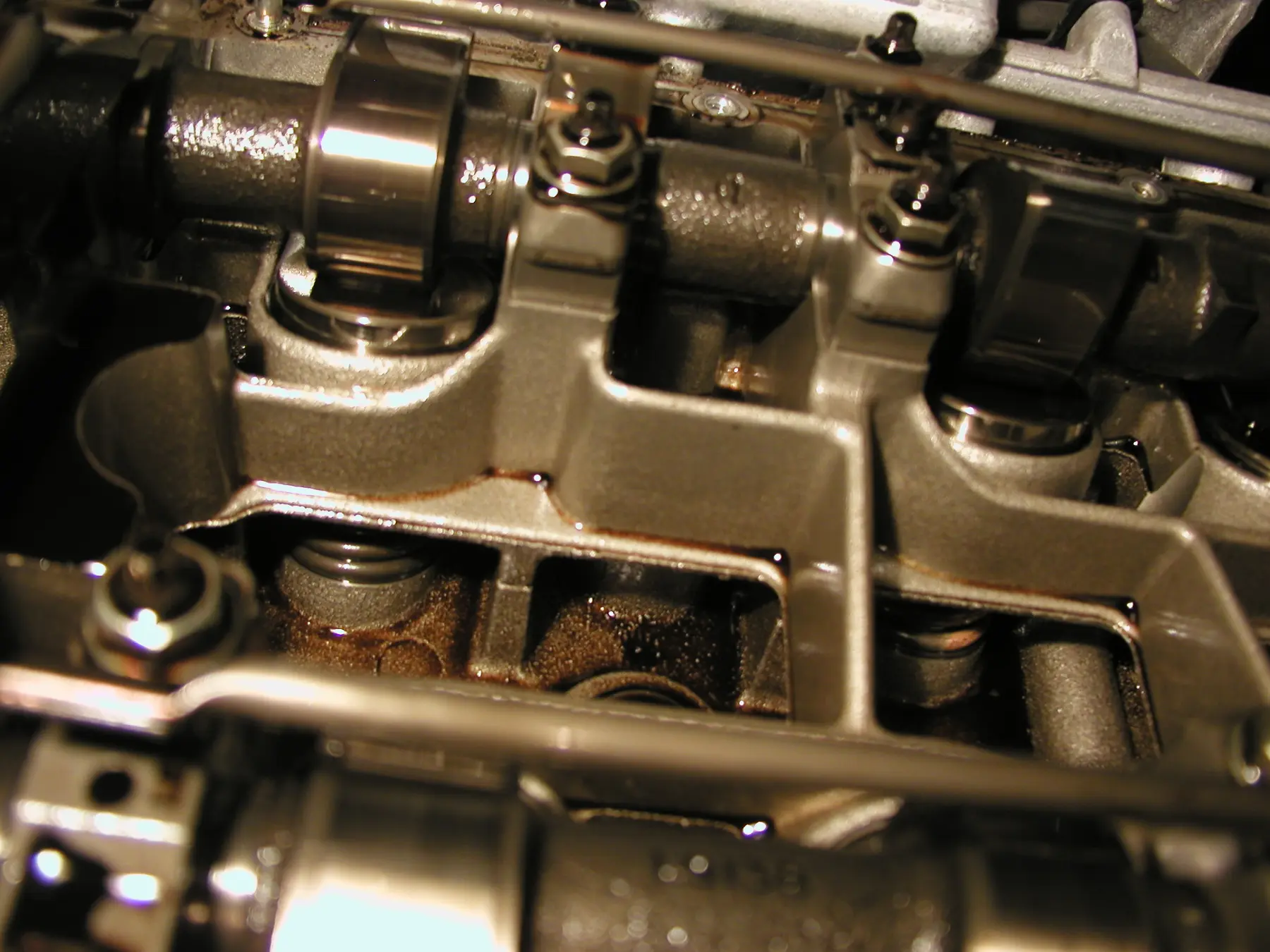


The lobe is the shaped part; the tappet or follower is the part receiving its motion. A direct-acting layout and a rocker layout can deliver the same valve-control job with different hardware.
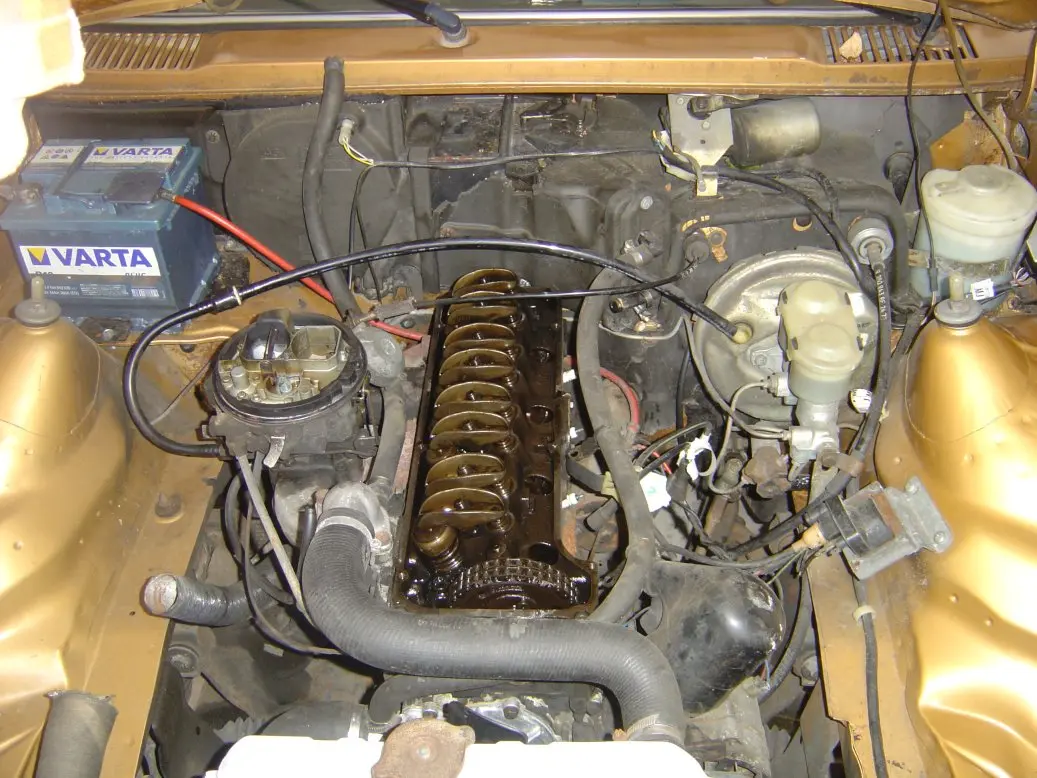

Moving the cam’s phase relative to the crank moves its opening and closing events together. It does not regrind the lobe. Lift control needs another mechanism to change the valve motion.
Toyota’s Celica VVTL-i is an example that combines both functions. Toyota describes continuous variation of intake timing, plus increased intake and exhaust lift at high engine speed. The manufacturer’s explanation separates these operations; the existence of variable timing alone does not mean an engine also changes lift.
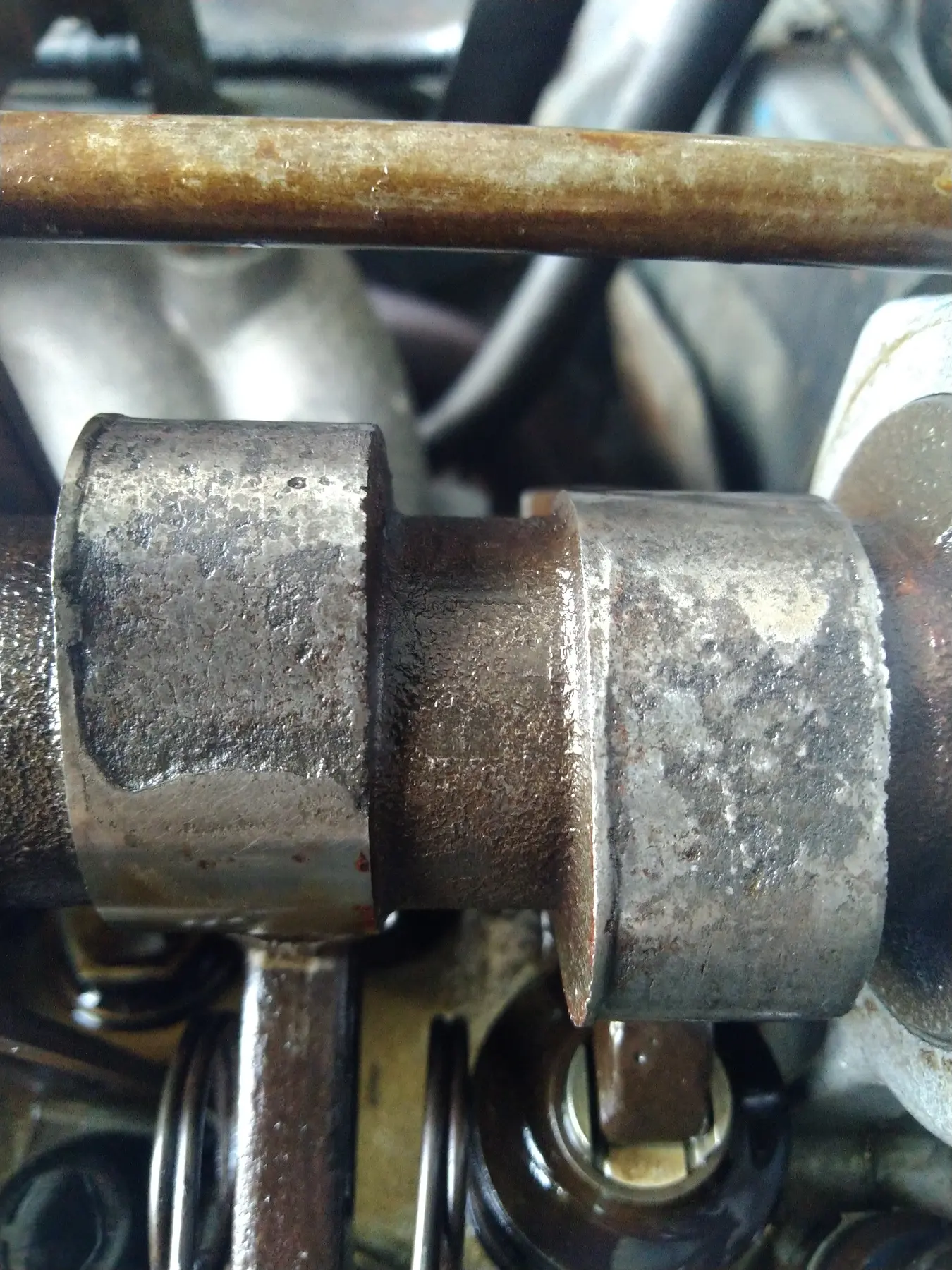

A damaged working surface can no longer reproduce the intended profile accurately. But a ticking sound or brief start-up rattle is not enough to identify a lobe, follower or cam-adjuster fault. The cam’s half-speed rotation is a timing relationship, not a rule for diagnosing a noise from its rhythm.
Sources
- COMP Cams: valve-timing tutorial — Four-stroke cam speed, duration, valve versus lobe lift and phasing
- Toyota: Celica T Sport VVTL-i — Toyota example of separate timing and lift control
References checked .