Published by HALOX Co.
What a clutch actually does
A manual clutch is a friction disc squeezed against the flywheel by a pressure plate. The throwout bearing unloads that clamp when the pedal goes down. Slip is the disc turning slower than the engine.
The engine can keep turning while a driver changes gear because the clutch can release the connection to the transmission input. In a conventional dry manual clutch, a friction disc is clamped between the flywheel and the pressure plate.
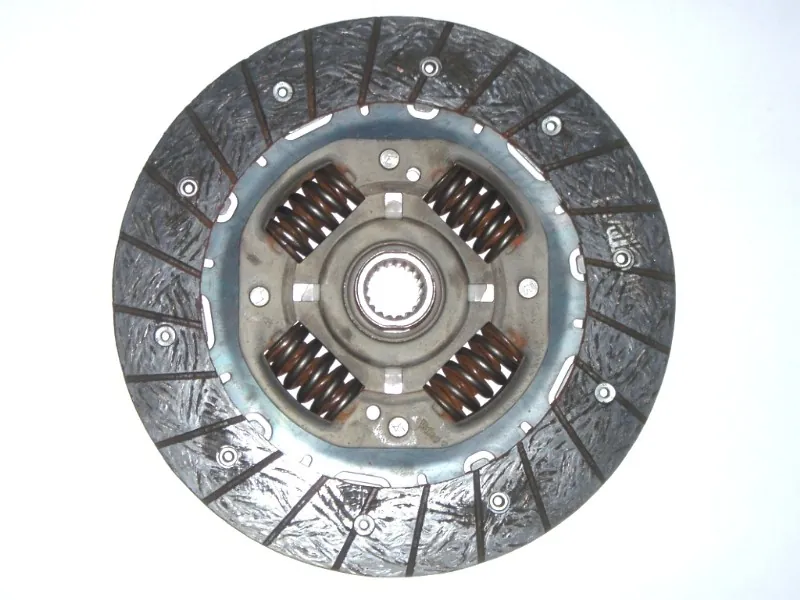


The outer faces carry friction material. The center hub connects to the transmission input shaft. The pictured disc also has springs around that hub; those are part of its torsional damping arrangement rather than the spring that supplies the clamp load.
Clamping and releasing
With the clutch engaged, the pressure plate loads the disc against the flywheel. Disengagement removes that clamp so the engine and input shaft can rotate at different speeds. The input need not stop immediately: its speed also depends on the connected transmission and vehicle motion.
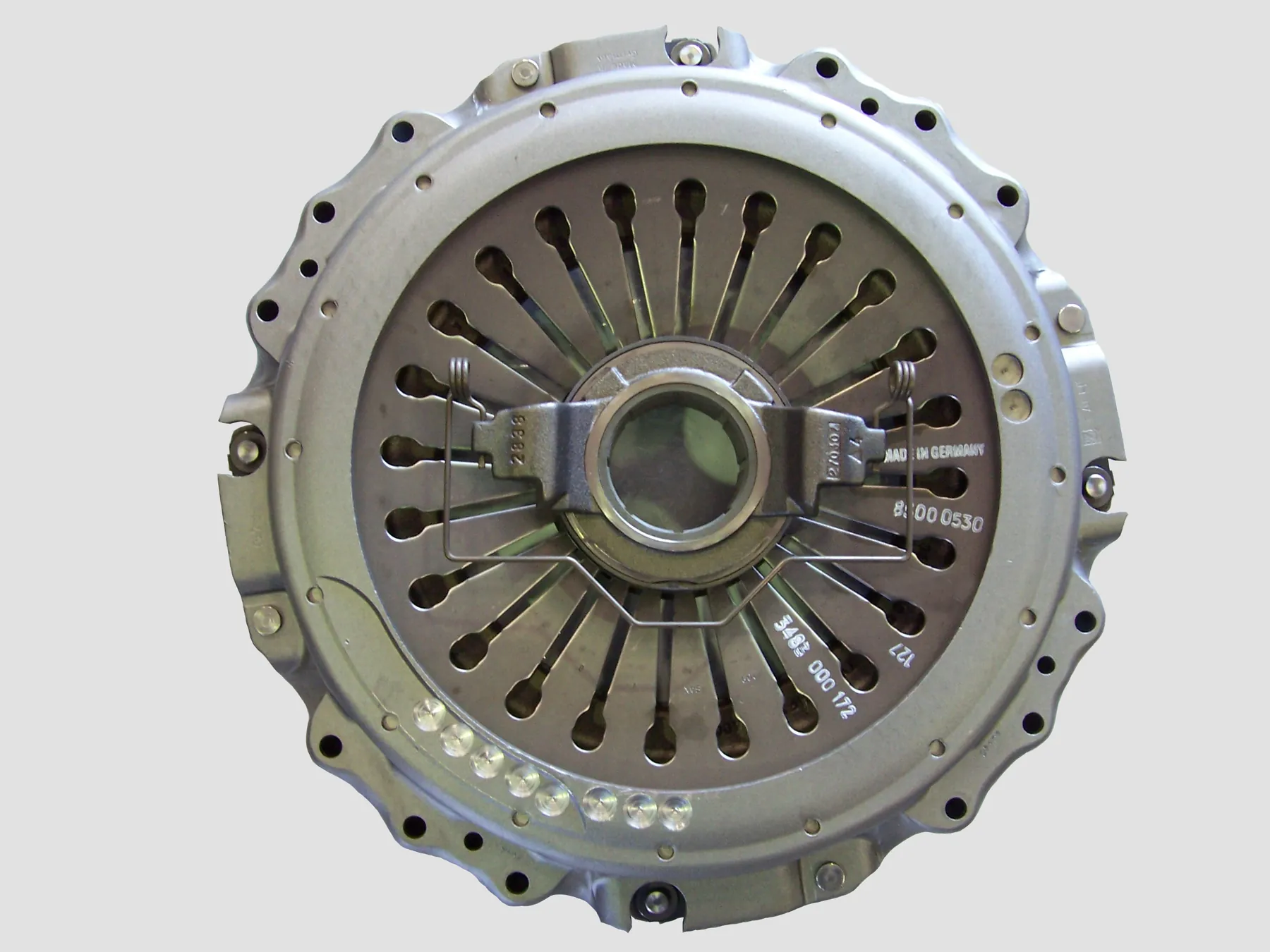

The central diaphragm spring is one way to produce clamp force. Other pressure-plate designs use coil springs and levers. South Bend Clutch explains the basic arrangement. The illustrated plate is a component example, not a specification for every manual clutch.
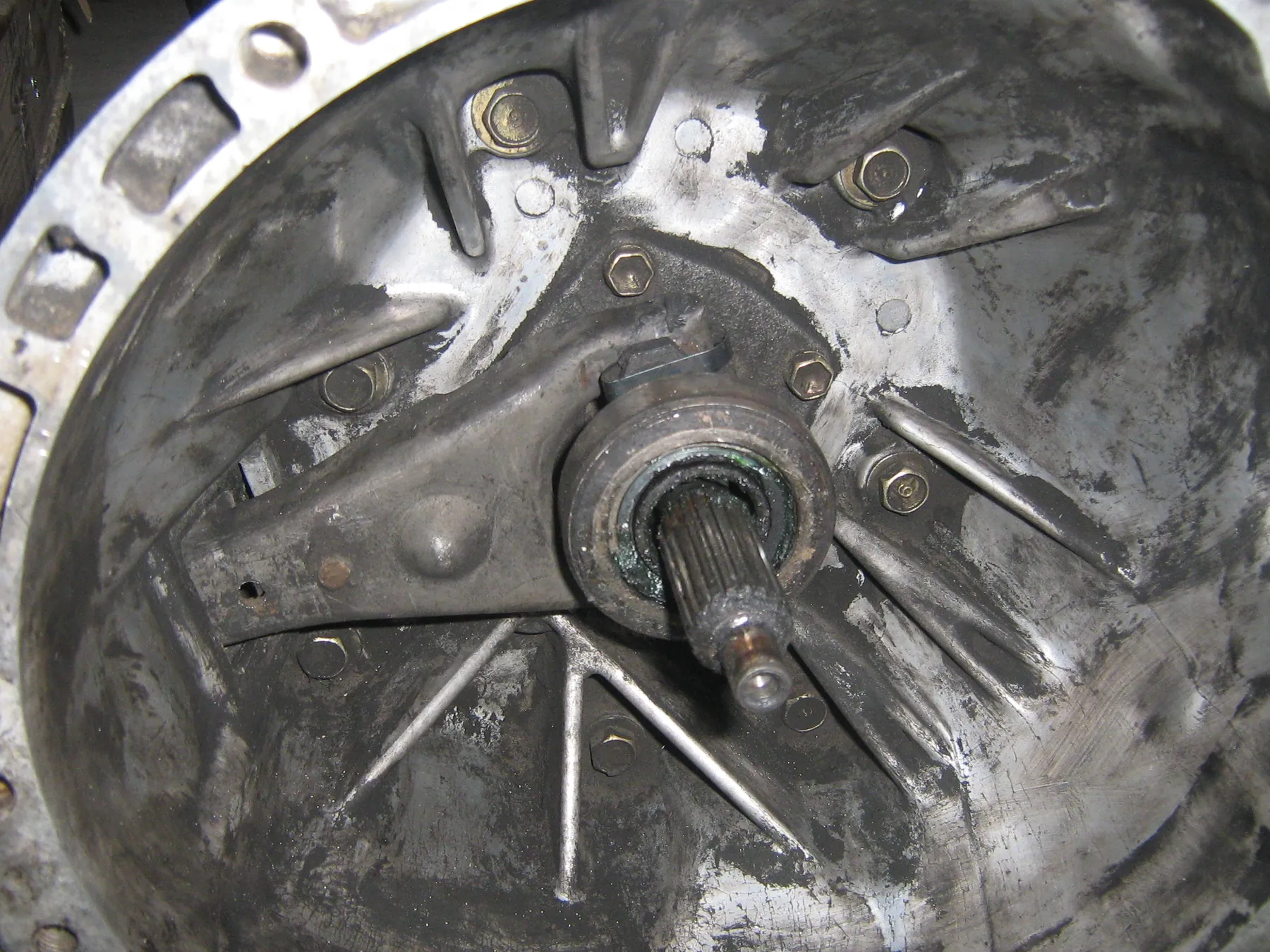
The release bearing transfers actuation force to the rotating release mechanism. A cable or an external hydraulic slave can work through a fork. A concentric slave cylinder combines the hydraulic slave and release bearing at the transmission, eliminating the separate fork in that arrangement. ZF’s actuation-system description distinguishes them.

Continuous contact can be intentional
It is not universally wrong for a release bearing to touch the diaphragm fingers with the pedal released. ZF describes systems designed with preload, where the bearing continuously rotates with the clutch. Other designs have different clearance requirements. A general explanation cannot supply the adjustment specification for either one.
Slip means the clutch is transmitting torque while its sides rotate at different speeds. Some slip is necessary during takeoff; prolonged unintended slip under load can generate excessive heat. Pedal engagement height or noise alone does not identify which lining, release or pressure-plate component needs attention.
Sources
- South Bend Clutch: clutch and pressure-plate operation — Conventional dry manual friction clutch
- ZF SACHS: clutch actuation systems — Cable/hydraulic actuation, CSC and constant-contact release bearings
References checked .