Published by HALOX Co.
What a historic vehicle plate actually is
California, New York and Virginia examples of historical or antique registration, including exhibition use, vehicle assignment and daily-driving limits.
Your car is old enough for a historic plate. Does that make the plate suitable for the commute? Age is only one requirement. The registration category may also restrict what the vehicle is used for.
California’s Historical Vehicle program covers vehicles manufactured after 1922 that are at least 25 years old and of historic interest. Operation is primarily for historical exhibition or similar noncommercial purposes, such as parades or club activities. DMV uses REG 17A. These plates are permanently assigned to the vehicle and cannot be reassigned to another car.
California’s Horseless Carriage category is separate: pre-1923 vehicles and specified pre-1965 vehicles with 16 or more cylinders. Keeping original year-of-manufacture plates is yet another question. An old-looking plate is not enough to identify which registration category applies. Do not infer a smog or safety-inspection exemption from the metal’s age alone.
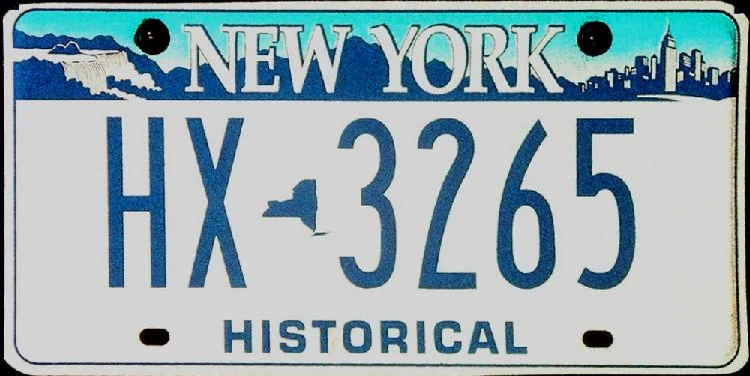
New York’s historical registration generally uses vehicles manufactured more than 25 years before the current calendar year, based on model year, with possible DMV approval for distinctive younger vehicles. The permitted role is a collector’s item or exhibition piece, rather than daily transportation. New historical plates and original vintage plates are different options under New York’s rules.

Virginia’s limited antique registration allows events, testing, repairs and occasional pleasure driving within 250 miles of the residence, with the program’s other conditions. General daily use, including commuting, is excluded. DMV also describes an ordinary-registration route for everyday use. A collector needs to decide which use fits before choosing the registration.
The practical comparison is the exact program name, model-year test, approved use and inspection/insurance requirements in that state. An insurer’s collector policy is a separate contract and may impose its own conditions. This page’s three examples do not supply a nationwide exemption or a complete application checklist.
Sources
- California DMV manual 21.120: Historical and Horseless Carriage Plates — California; eligibility, use and permanent vehicle assignment
- New York DMV: Historical and Vintage Plates — New York; model-year eligibility and collector/exhibition use
- Virginia DMV: Antique Motor Vehicles and Trailers — Virginia; limited antique registration and everyday-registration alternative
References checked .