Published by HALOX Co.
What a MAP sensor actually does
Why manifold absolute pressure, gauge vacuum and boost use different references, and how pressure plus temperature helps an engine controller estimate air charge.
MAP stands for manifold absolute pressure. The sensor reports pressure in the intake manifold. Absolute pressure is referenced to vacuum; the vacuum reading on a common service gauge instead describes the difference below the surrounding atmospheric pressure. WIKA defines the two pressure references.
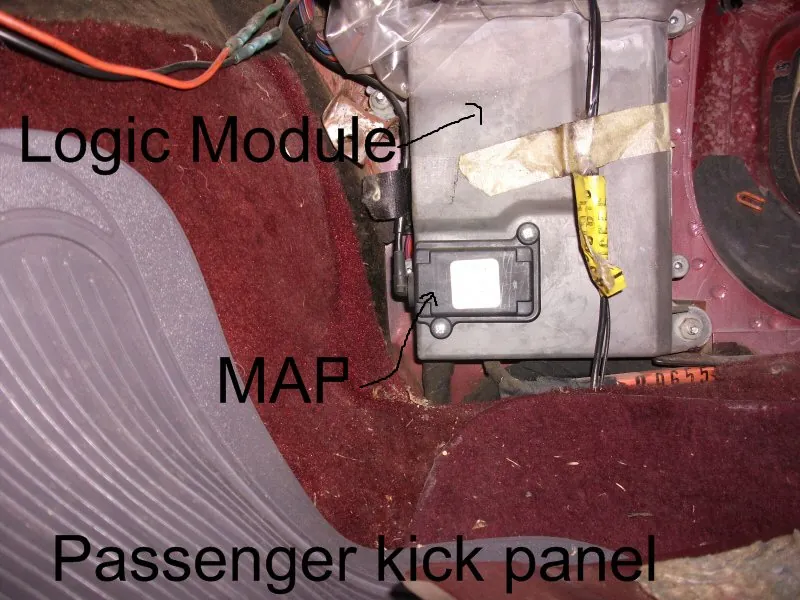

The pictured older arrangement puts the sensor away from the manifold and uses a hose to connect it to that pressure. Other sensors mount directly at the manifold. HELLA describes both mounting approaches, including units that also measure intake temperature.
Pressure is an input to an air estimate
Pressure is not itself airflow. The engine controller needs an estimate of cylinder air charge to manage fuel. Temperature matters because the density of air at a given pressure changes with temperature. HELLA identifies pressure and temperature together as inputs used to calculate intake air mass.
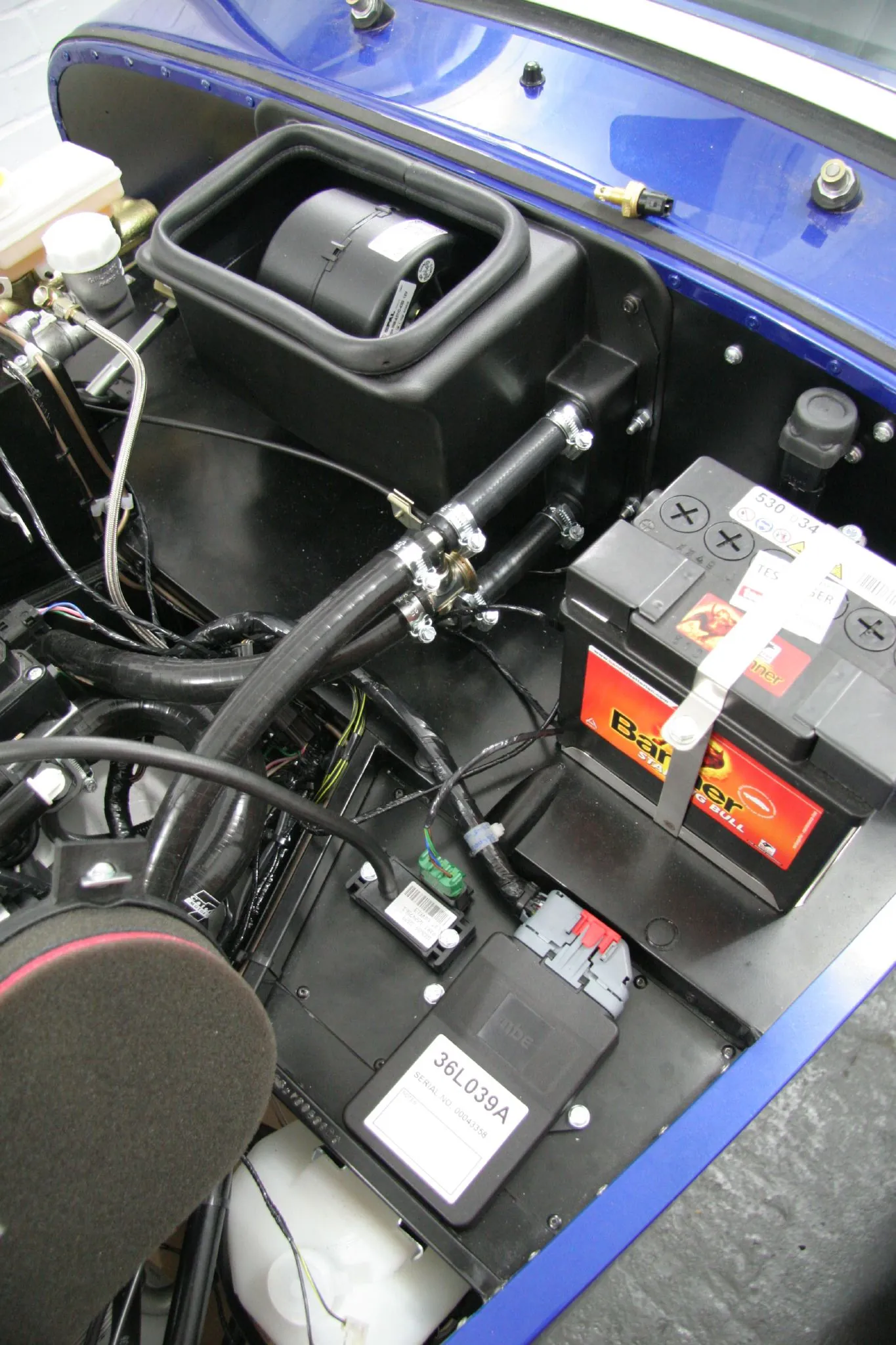

The second picture shows engine-bay packaging, rather than a sensor in a passenger footwell. Where the sensor is mounted does not change the quantity it measures.
In the Bosch example, pressure distorts a silicon membrane and a resistance bridge detects the distortion. A combined NTC element measures temperature. Bosch’s sensor description also distinguishes housings and measurement ranges; its natural-gas product is an example of the sensing principle, not a replacement specification for every gasoline engine.

Compare the reference, not just the units
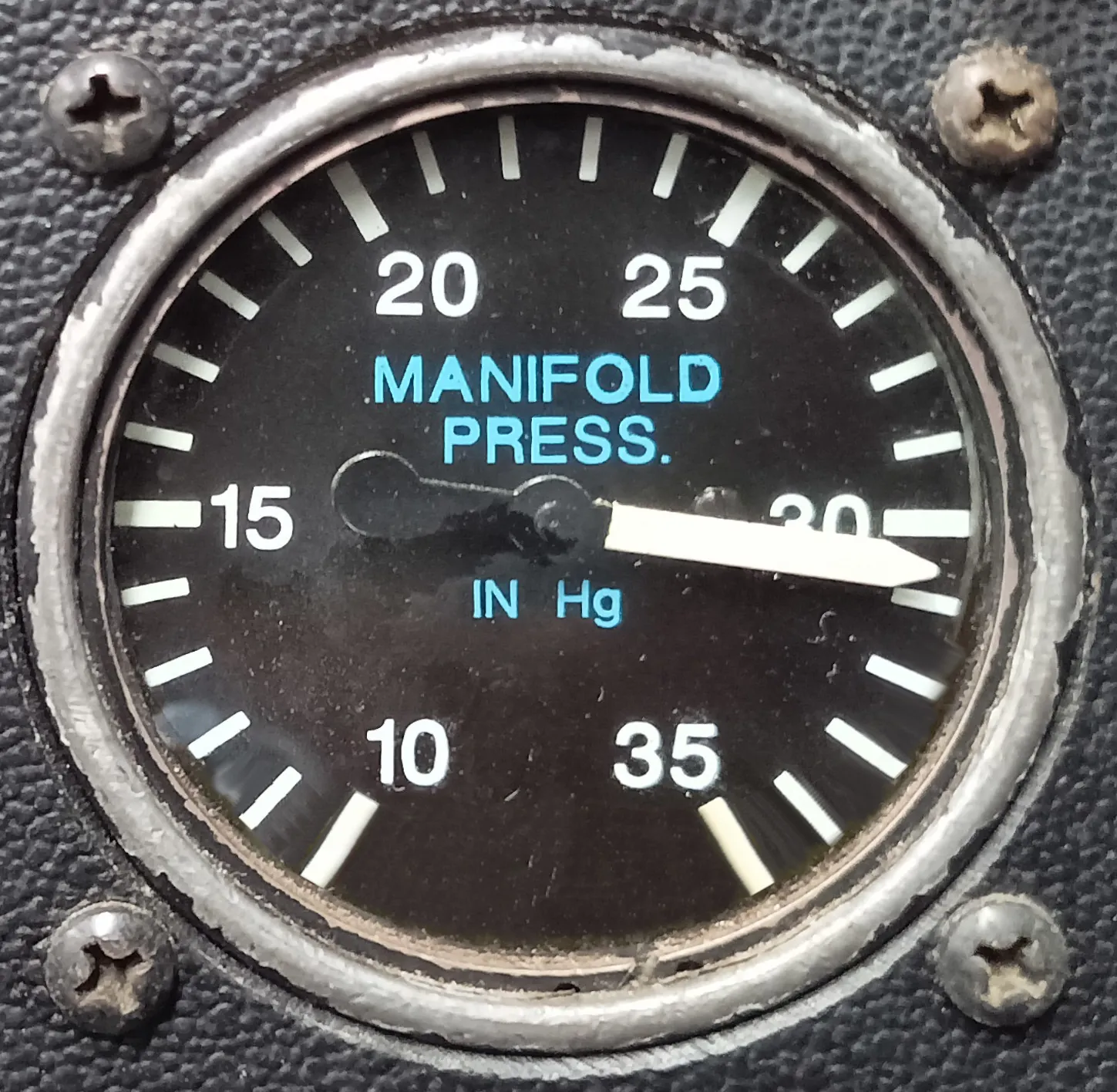
Pressure can be displayed in different units without changing whether its reference is absolute or atmospheric. A manifold absolute-pressure reading and a gauge-vacuum reading cannot be compared simply by putting their numbers side by side. The pictured instrument’s scale does not make it a service vacuum gauge.
Boost is likewise a pressure difference above the surrounding air. A manifold sensor can measure elevated pressure if its specified range includes it. The pressure reading, its reference and the sensor’s usable range are three separate things to identify.
Sources
- HELLA: intake pressure and temperature sensor — Intake pressure/temperature used to calculate air mass and mounting variants
- Bosch: manifold and boost-pressure sensor — Silicon membrane, combined temperature sensor and pressure-range variants
- WIKA: gauge versus absolute pressure — Pressure-reference definitions, not automotive sensor construction
References checked .