Published by HALOX Co.
What a power steering pump actually does
Follow belt-driven hydraulic steering flow, distinguish the pump from its actuator, and see why an electric hydraulic pump and electric power steering are different designs.
A hydraulic power-steering pump supplies the fluid flow used to assist steering. The reservoir holds the fluid supply; the steering gear controls how hydraulic force helps move the steering mechanism. The pump is the source of flow, rather than the driver’s steering command.
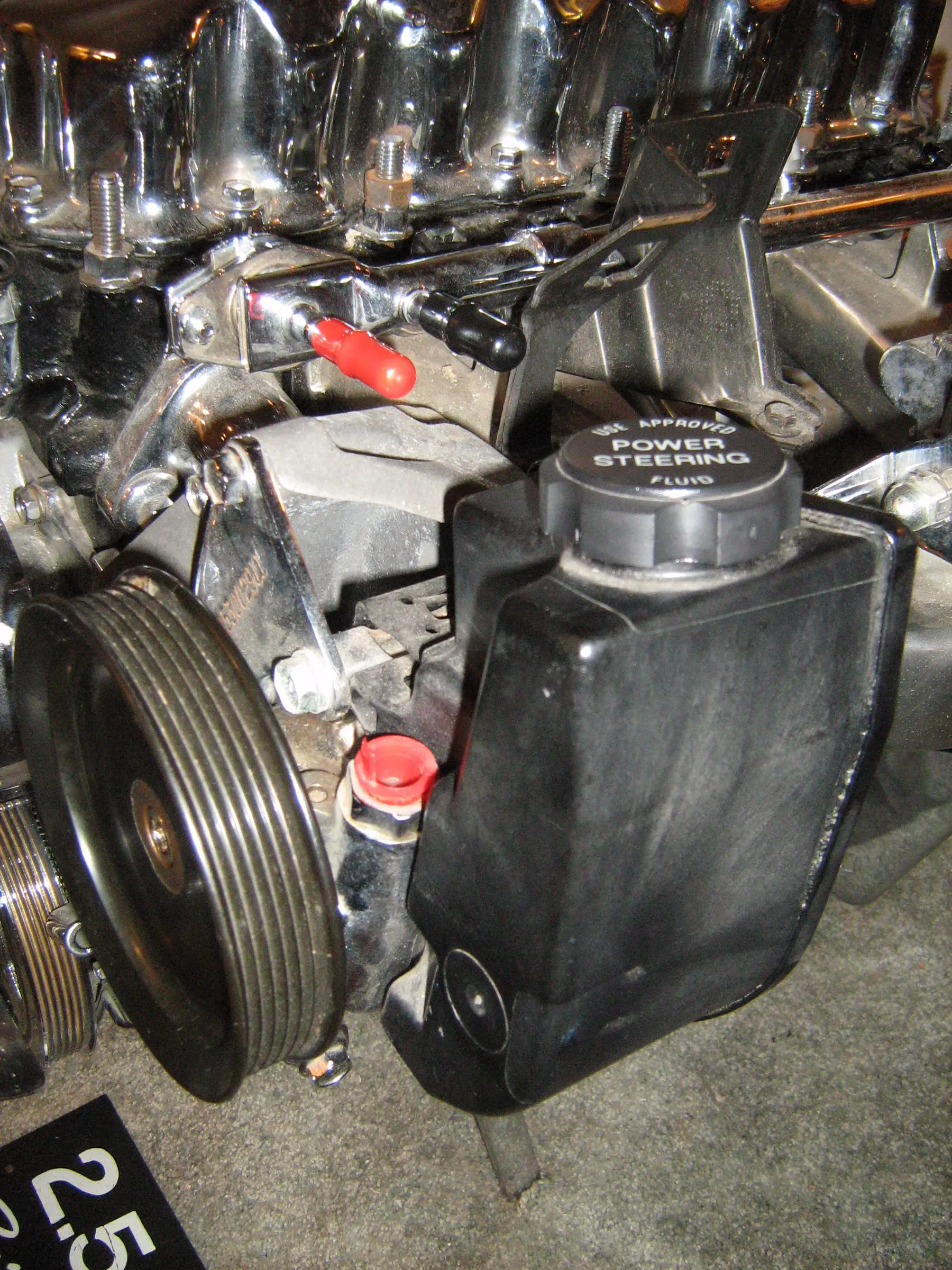


A belt can provide the pump’s power
In the conventional mechanical arrangement, the engine turns the pump through a belt. In the vane design described by HELLA, the rotor carries movable vanes. The enclosed spaces grow on the inlet side and shrink toward the outlet, transferring oil through the pump. A flow-control valve manages delivery as pump speed rises.
HELLA’s operating explanation follows the fluid through the steering system and back to the reservoir. Pressure is relatively low when the fluid circulates without a strong steering demand; assistance changes the load against which the pump supplies flow.
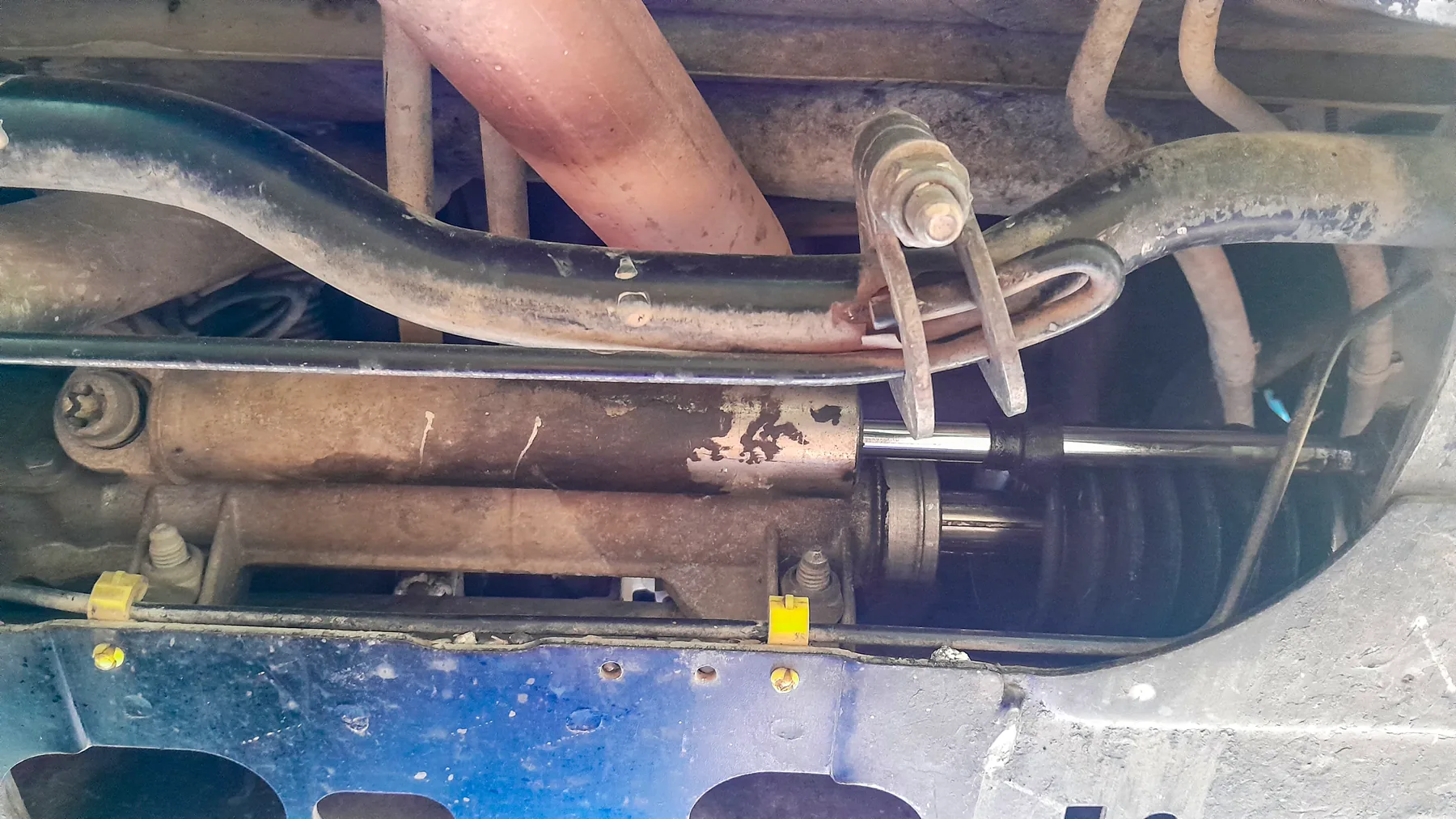

The pictured external cylinder makes the hydraulic actuator easier to identify than a piston hidden inside a steering gear. That actuator is where fluid pressure produces assisting force. It is different from the pump and reservoir supplying it.
An electric pump still moves fluid
An electric motor can replace the engine belt as the pump drive. That remains hydraulic assistance. ZF’s EPHS example supplies on-demand hydraulic flow for commercial vehicles independently of their drivetrain. It demonstrates the distinction, not the fitment of the pictured passenger-car parts.
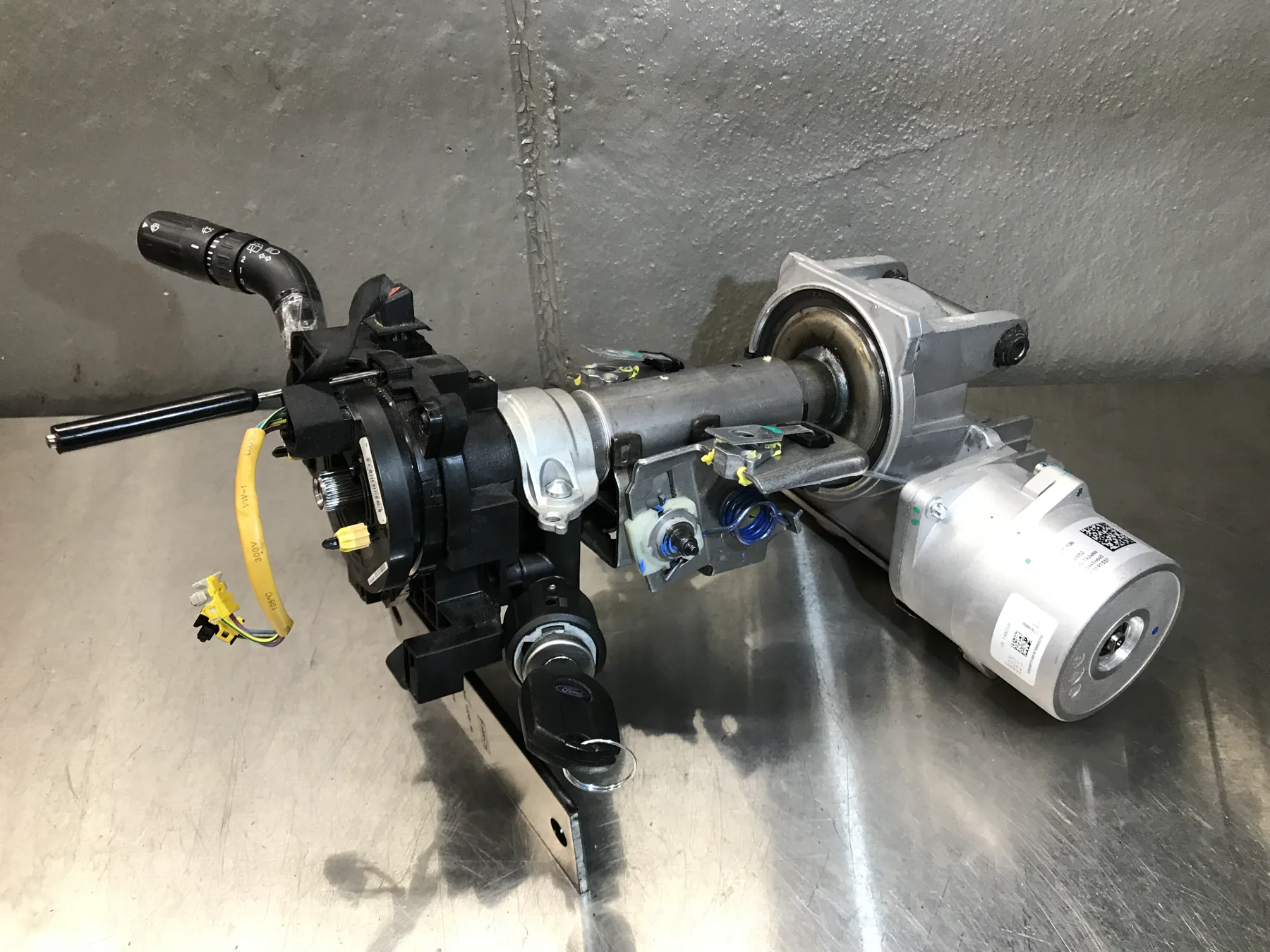

Electric power steering uses a motor to add force at the steering mechanism. Bosch describes torque sensing, control electronics and motor assistance at different mounting positions in its EPS overview. That motor is not driving a hydraulic pump.
The distinction matters before interpreting a heavy steering wheel or a noise. Belt drive, hydraulic delivery and motor/controller assistance are different systems. Neither a whine nor steering effort at one engine speed independently diagnoses a pump.
Sources
- HELLA: hydraulic steering pump operation — Belt-driven vane pump, circulation and control
- ZF: electrically powered hydraulic steering pump — Commercial-vehicle example of an electric motor driving a hydraulic pump
- Bosch: electric power steering — Motor assistance at steering gear/column based on torque sensing
References checked .