Published by HALOX Co.
What a radiator actually does
How coolant, tubes, fins, airflow, a pressure cap and the expansion or recovery tank work together in an engine cooling system.
A radiator transfers heat from engine coolant to outside air. The water pump circulates the coolant; the radiator provides the surface where that heat leaves the car. A fan helps move air through the core when road speed provides too little airflow. HELLA explains the cooling circuit.
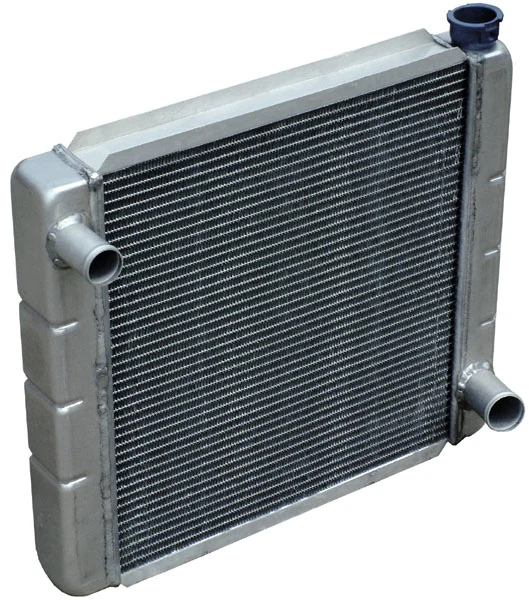


Coolant travels through narrow tubes joined to thin fins. The tanks distribute and collect that flow. Crossflow radiators place their tanks at the sides; downflow designs place them above and below the core. Air passes around the tubes and fins, rather than mixing with the coolant. The thermostat regulates the radiator route as the engine warms.
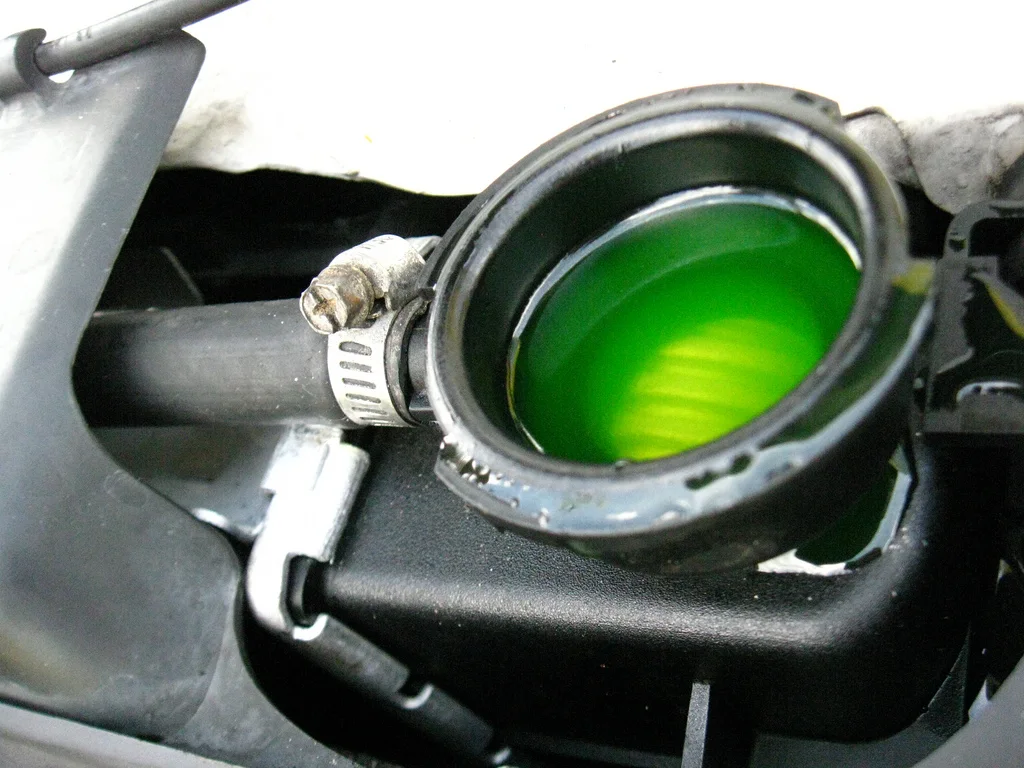

The bottle can be part of the pressurized circuit
A recovery bottle catches coolant discharged through a pressure cap and allows it to return as the system cools. A pressurized expansion tank is different: it is connected to the pressurized cooling circuit and can carry the system’s pressure cap itself. The radiator in that arrangement may have no removable cap. Canton’s expansion and recovery tank guide shows the distinction.
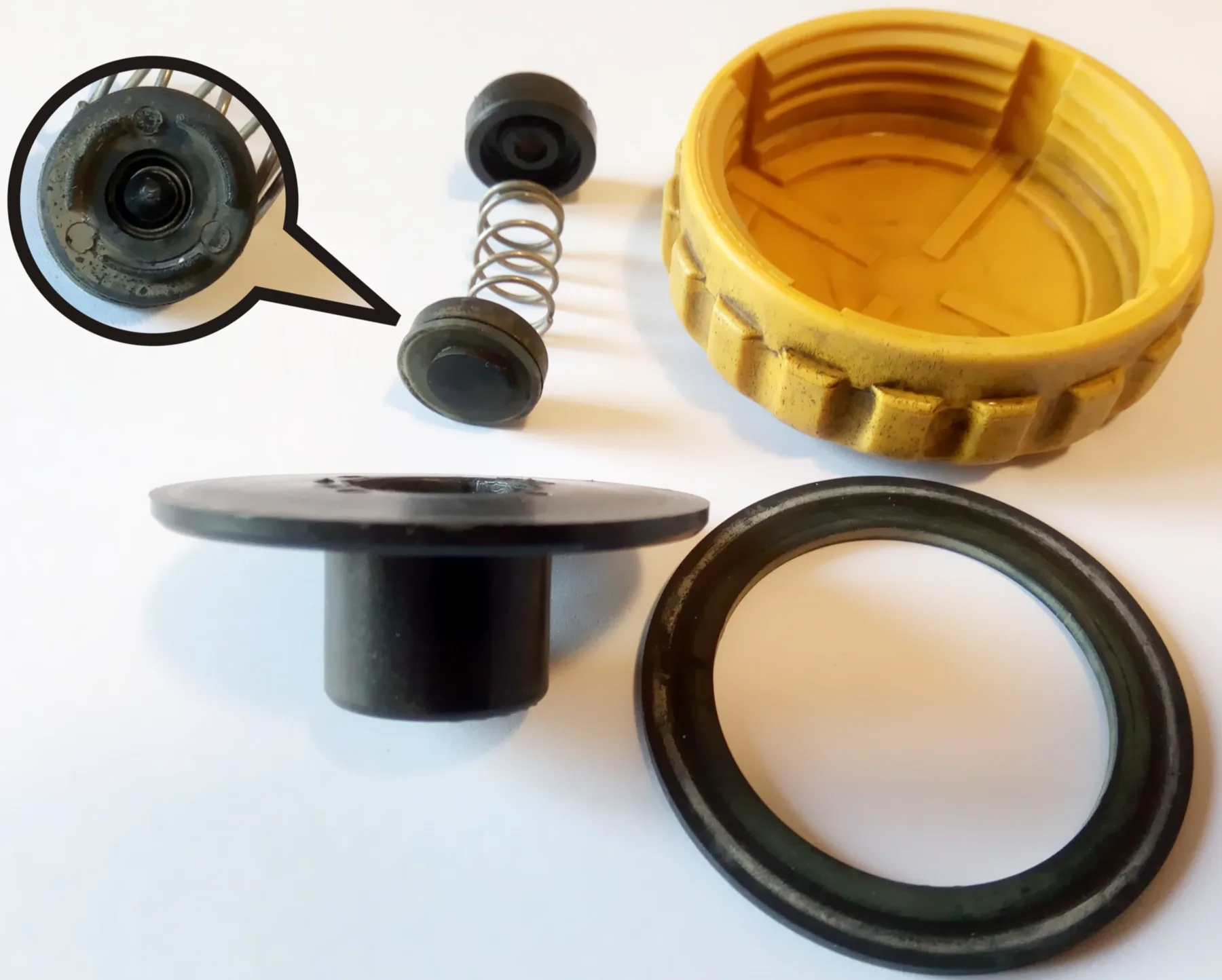

Maintaining pressure raises the coolant’s boiling point. The cap includes pressure and vacuum control, rather than simply sealing a hole. Use the cap specification for the vehicle, and never remove a cooling-system cap while the system is hot. The disassembled cap illustrates one design; it does not identify every car’s cap arrangement.
Overheating does not establish that the radiator is clogged. Coolant level, airflow, thermostat operation, pump circulation and pressure control all matter. HELLA’s diagnostic guide checks those separately.
Sources
- HELLA: engine cooling basics — Heat transfer, circulation, thermostat and fan
- Canton: expansion versus recovery tanks — Pressurized expansion tank and unpressurized recovery bottle
- HELLA: cooling system checks — Cap valves and multiple overheating causes
References checked .