Published by HALOX Co.
What a spark plug actually does
How a spark plug gap ignites the mixture, why heat range is not spark energy, and why a misfire code does not identify a failed part.
The ignition coil supplies a high-voltage pulse. The spark plug gives that pulse an insulated path into the combustion chamber and a gap between electrodes. When the voltage is sufficient, a discharge crosses the gap and starts combustion of the air-fuel mixture. NGK explains the plug’s electrical and thermal jobs.
The ceramic insulator separates the center electrode from the metal shell. The shell screws into the cylinder head, and the ground electrode sits across the specified gap. The required voltage depends on the gap and the conditions in the cylinder; choosing a plug is more than matching its thread diameter.
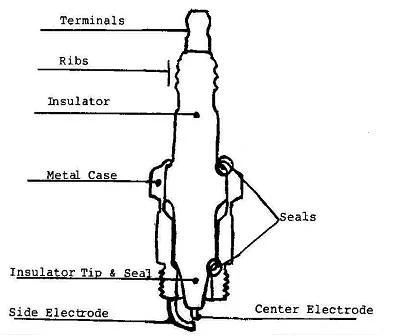


Heat range concerns the firing tip
A plug must release enough heat to avoid overheating, yet remain warm enough to resist fouling. Its heat range describes that thermal behavior, especially the path from the insulator nose toward the cylinder head. It does not describe a hotter or more powerful spark. NGK’s heat-range explanation makes that distinction.
The correct plug type, gap and installation specification come from the vehicle’s service information. A fouled tip, enlarged gap or cracked insulator can interfere with ignition. Deposits may also reflect conditions elsewhere in the engine.
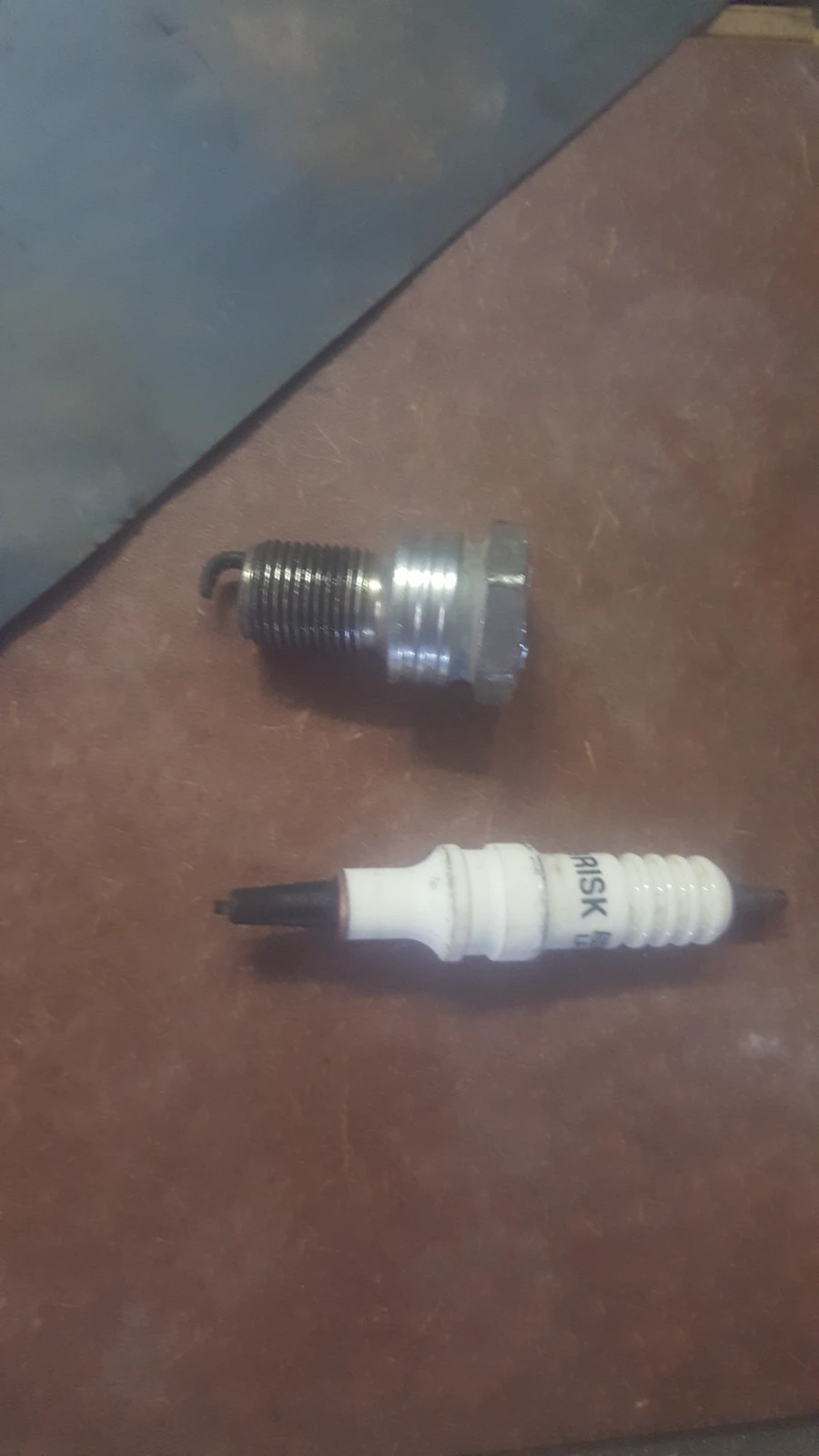

The broken plug pictured shows physical damage; it does not establish why the damage happened. Likewise, a cylinder misfire code records a combustion problem, not a verdict that the plug or coil must be replaced. Niterra’s ignition diagnostic guidance warns that misfires have many possible causes.
Sources
- NGK: spark plug basics — Gap, thermal behavior, fouling and heat range
- Niterra TekniWiki: ignition coil diagnosis — Misfire codes have multiple possible causes
References checked .