Published by HALOX Co.
What a starter motor actually does
The pinion, solenoid, high-current contacts and overrunning clutch in a conventional starter, plus the limits of diagnosing from sound.
An internal-combustion engine needs an outside source of energy to begin turning. In a conventional electric starting system, the battery supplies a starter motor, which engages a small pinion with the engine’s ring gear. The motor then cranks the engine until combustion can sustain rotation. HELLA describes the arrangement.
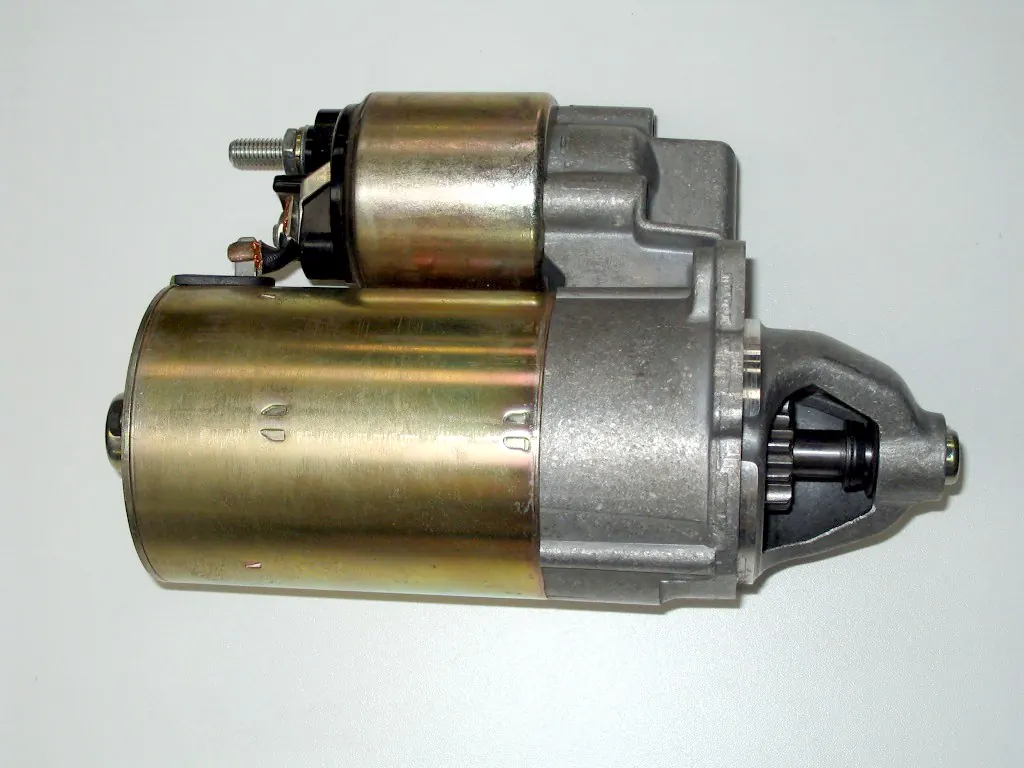

The solenoid moves the engagement mechanism. Once the pinion engages, its contacts complete the high-current circuit to the motor. The small control connection and the heavy battery connection therefore do different jobs; the start command alone is not the motor’s power supply.
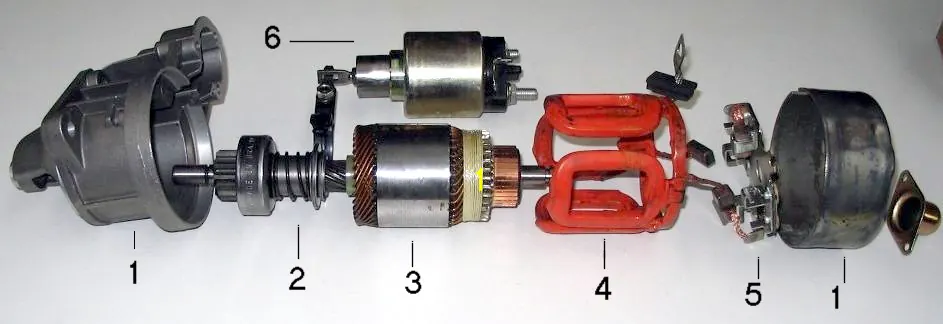

The drive includes a freewheel, or overrunning clutch. It allows the engine side to turn faster after the engine starts without driving the starter motor at that speed. Engagement ends when the start command is removed. “Bendix” is often used loosely for a starter drive, but it does not name every design of clutch or engagement mechanism.
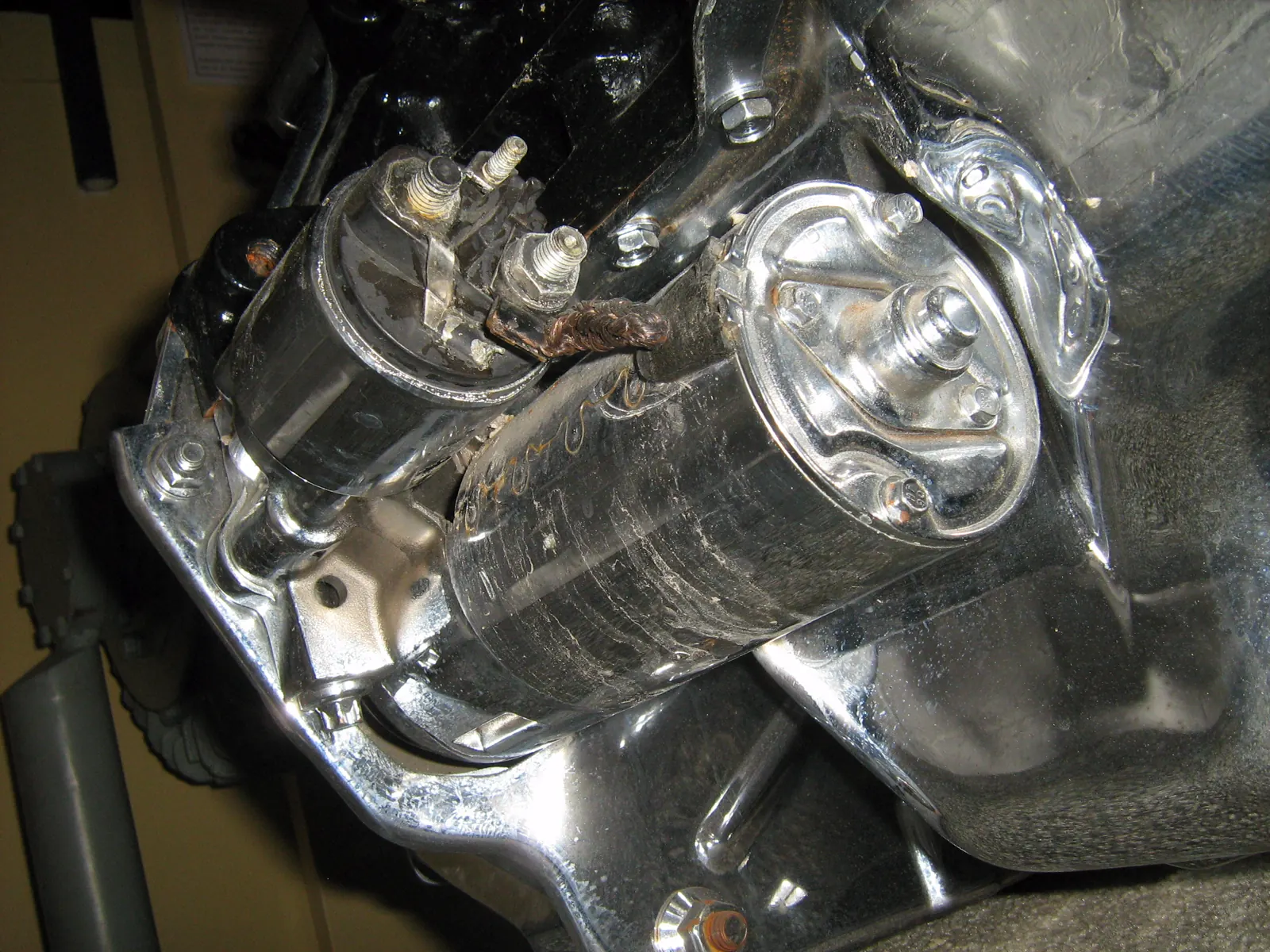


Listen, then test the circuit
A click, silence, grinding or a motor spinning without cranking helps describe the fault. None proves one failed component. A discharged battery, poor cable or ground connection, control-circuit problem, solenoid fault or drive damage can interrupt the sequence. HELLA’s troubleshooting tables separate these possibilities.
The alternator supplies electrical energy while the engine is running; it does not “take over” the starter’s mechanical connection to the engine. HELLA describes that charging role. Hybrid and other integrated starter-generator arrangements can use a different starting path from the pinion-and-ring-gear assembly shown here. Identify the vehicle’s system before applying this explanation to a fault.
Sources
- HELLA: starter design and diagnosis — Conventional pinion starter sequence and alternative fault causes
- HELLA: alternator function — Electrical supply and battery charging while running
References checked .