Published by HALOX Co.
What a thermostat actually does
How a coolant thermostat changes the radiator route, why the bypass matters, and why its appearance cannot establish whether it works.
A coolant thermostat regulates how much cooling the radiator provides. While the engine is cold, it restricts the radiator route so the engine warms more quickly. That does not mean coolant is trapped motionless in the block: a bypass route can circulate it through the engine before the radiator route opens. HELLA’s cooling-system explanation describes this short circuit.
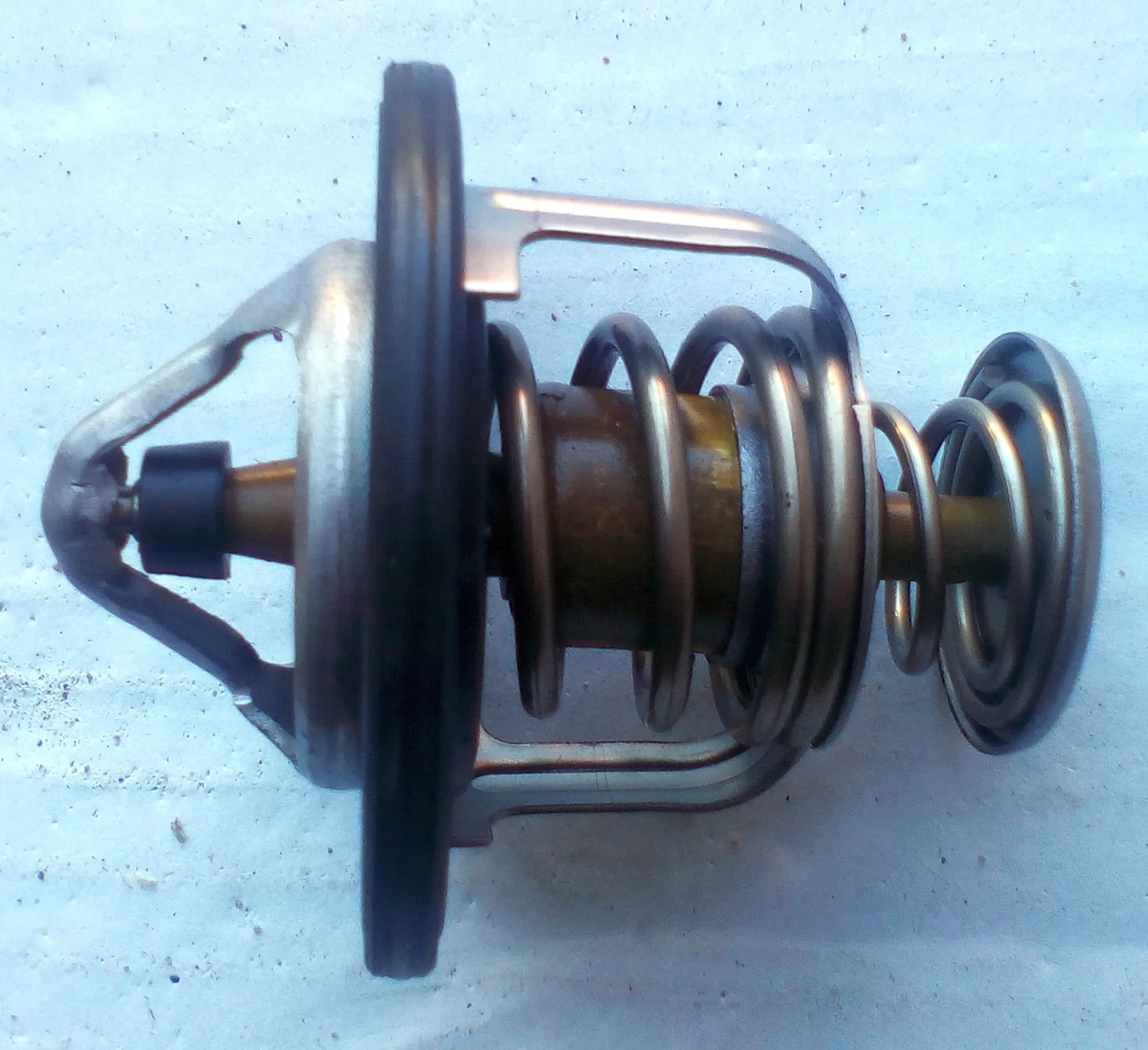

In a common wax-element thermostat, rising temperature expands the element and moves the valve against its spring. The valve opens progressively; it is not simply an electrical on/off switch. The opening temperature and full travel belong to the specified thermostat design.

The sensor reports; the thermostat regulates
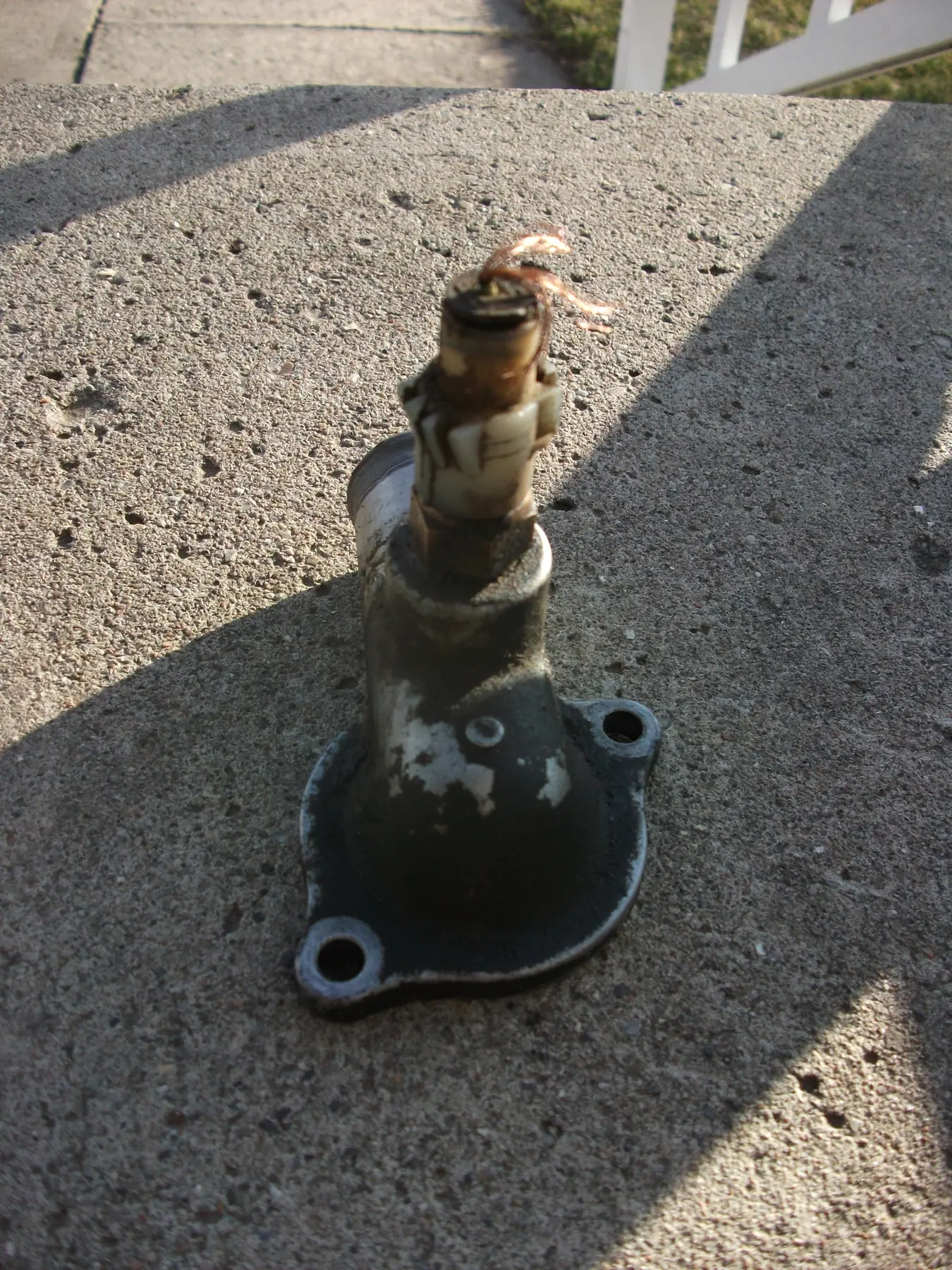
A coolant-temperature sensor sends temperature information to the control system or gauge. The thermostat changes the coolant route. They may occupy nearby housings, but a connector in the housing does not automatically identify a temperature sensor. Some thermostats include an electric heater that lets engine control influence the wax element. HELLA describes that combined construction.
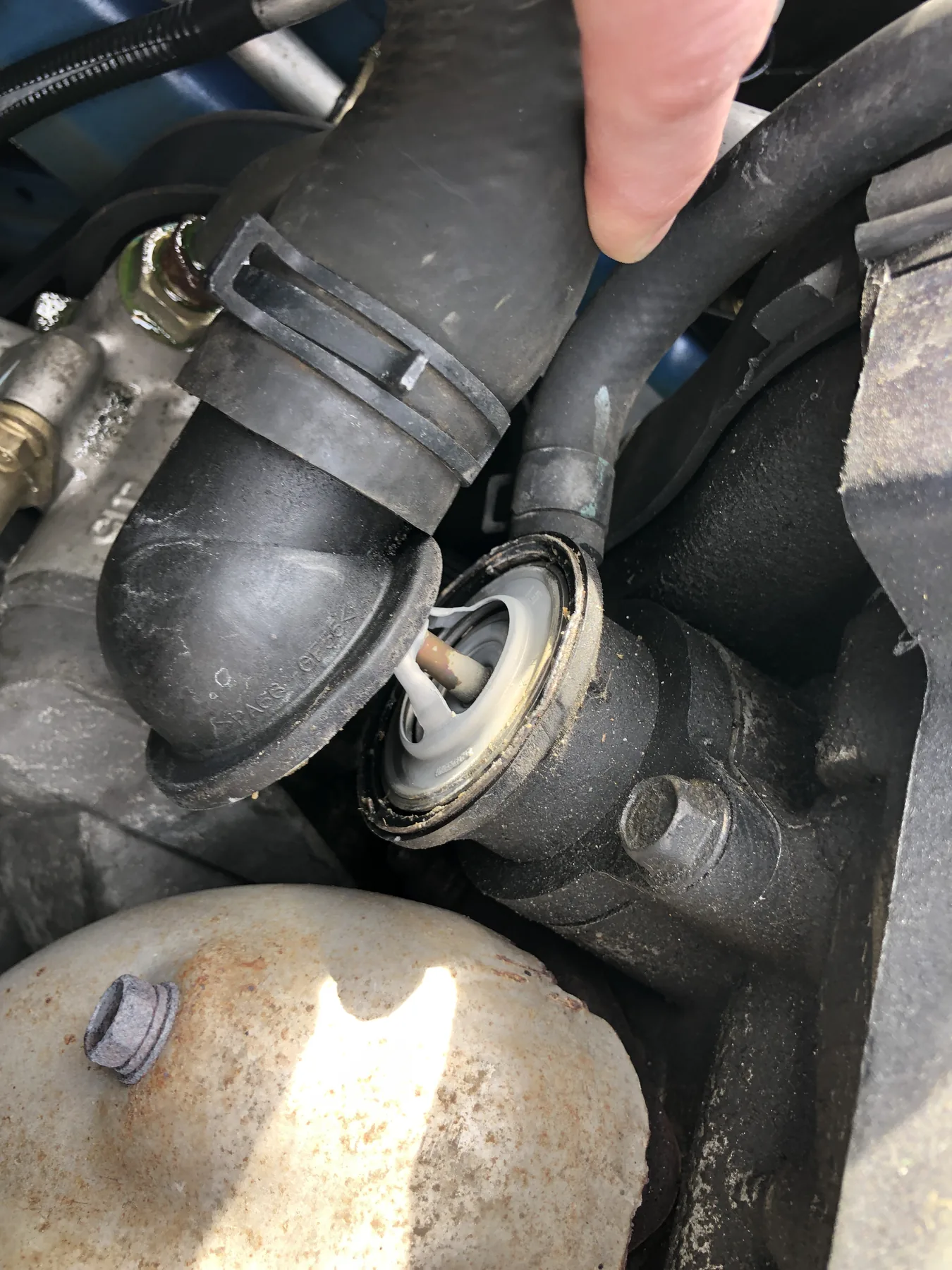

A thermostat stuck open can prolong warm-up; one that prevents needed radiator flow can contribute to overheating. A hose’s firmness or a valve sitting flat in a removed housing does not prove its function. It may look intact and still open at the wrong temperature or fail to achieve the specified travel.
HELLA’s cooling checks compare temperatures and test thermostat operation alongside the sensor, fan, radiator and pump. That is why an overheating gauge alone cannot decide which part needs replacement. Let the system cool before opening any coolant connection.
Sources
- HELLA: engine cooling basics — Warm-up bypass and radiator flow regulation
- HELLA: coolant thermostats — Wax element with electric heating
- HELLA: cooling system checks — Temperature comparison and thermostat testing
References checked .