Published by HALOX Co.
What a VIN actually encodes
A modern regulated VIN has manufacturer, vehicle attributes, check digit, model-year, plant and production identifiers. Older vehicles and low-volume makers need particular care.
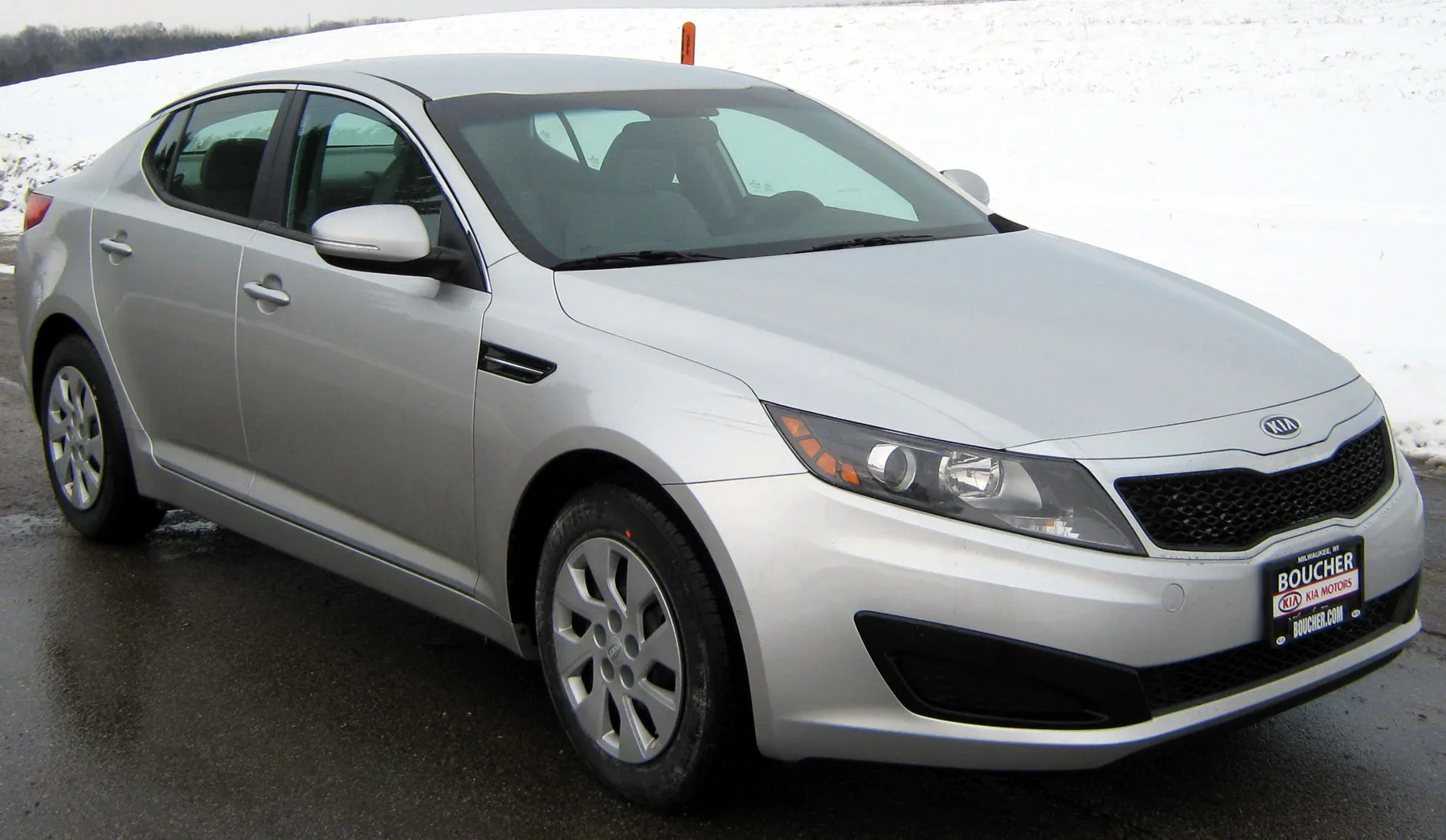


A modern vehicle subject to the U.S. VIN rule has a 17-character identifier. The permitted characters omit I, O and Q. Older vehicles may have different numbering, so a short number on a classic car should not be judged by the modern format alone. 49 CFR Part 565.
For a high-volume manufacturer, positions 1–3 identify the manufacturer and vehicle type. Positions 4–8 encode required attributes using that manufacturer’s scheme; they are not a universal sequence in which every maker puts the engine in the same spot. Position 9 is a mathematical check digit. VIN content requirements.
Positions 10 and 11 identify model year and manufacturing plant. For high-volume makers, positions 12–17 are the production sequence. Low-volume manufacturers use positions 12–14 as part of their manufacturer identifier, leaving a different sequence arrangement. Model-year codes also repeat; context is needed to choose the correct cycle. Year, plant and low-volume provisions.
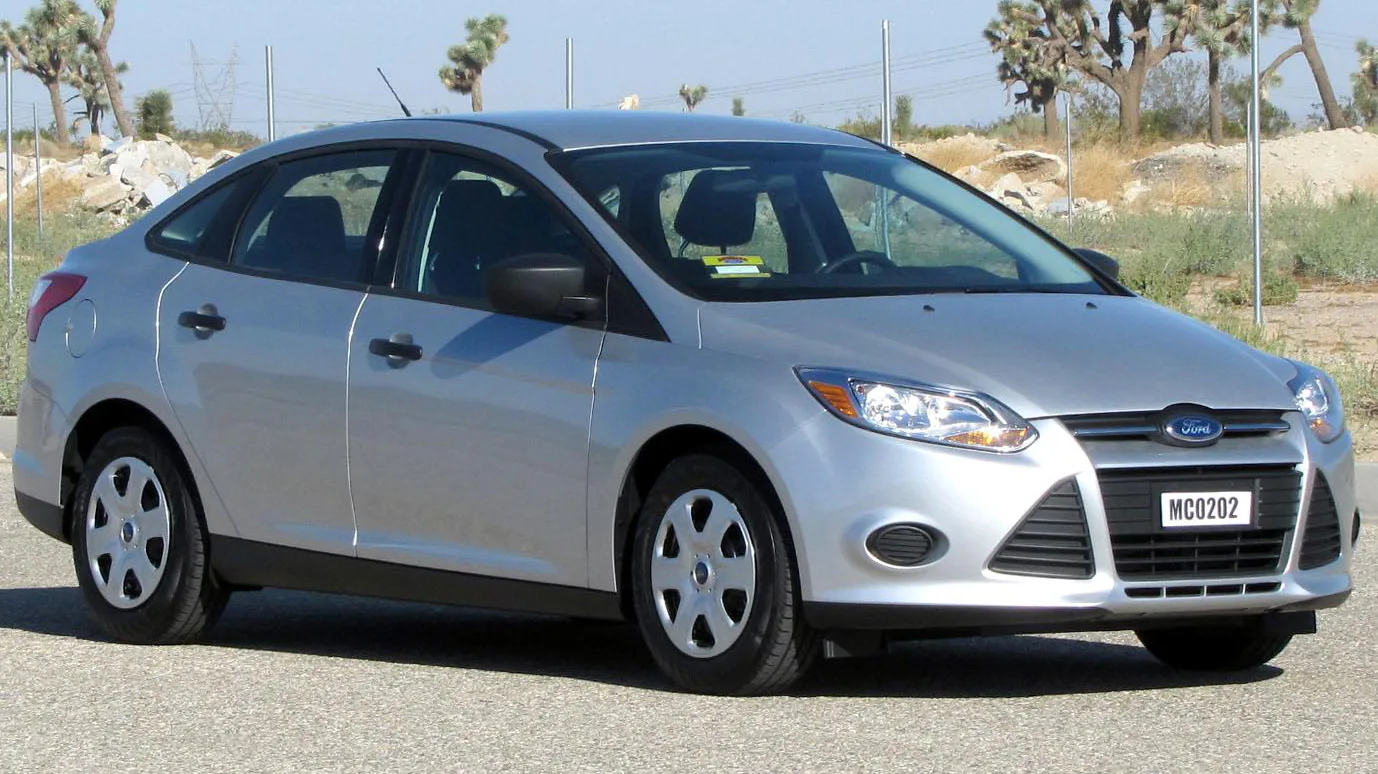


Use NHTSA’s decoder for the maker’s submitted interpretation of the actual VIN. It decodes vehicle identity and attributes; it does not establish ownership, accident history, repair quality or whether a title is unbranded. NHTSA VIN Decoder.
Compare the physical identifiers with the title and registration. If they disagree, have the discrepancy investigated by the appropriate agency or authorized verifier. Do not automatically trust the windshield plate over every other identifier: a swapped or altered plate is one of the possibilities a physical verification must resolve.
Sources
- 49 CFR Part 565: VIN requirements — U.S. VIN format and applicability
- 49 CFR 565.15: VIN content — U.S. regulated VIN positions and low-volume exceptions
- NHTSA: VIN Decoder — Manufacturer-supplied VIN decoding and limits
References checked .