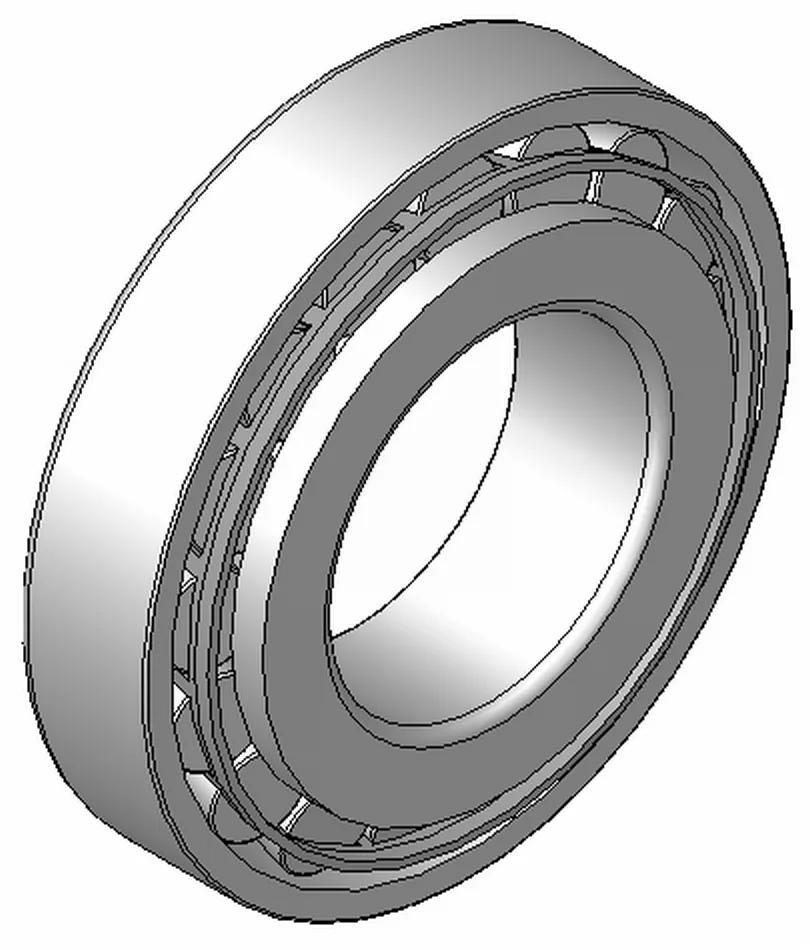
What a wheel bearing actually does
A wheel bearing lets the wheel spin under the car’s weight. Sealed hub cartridge or a pair of tapers. It is not the hub flange alone, and it is not a CV joint.
The myth is that the rumble is “just a tire” — or that the shiny flange and the bearing are the same part. What a wheel bearing actually does is let the wheel spin while it carries the car’s weight and the shove of a corner.
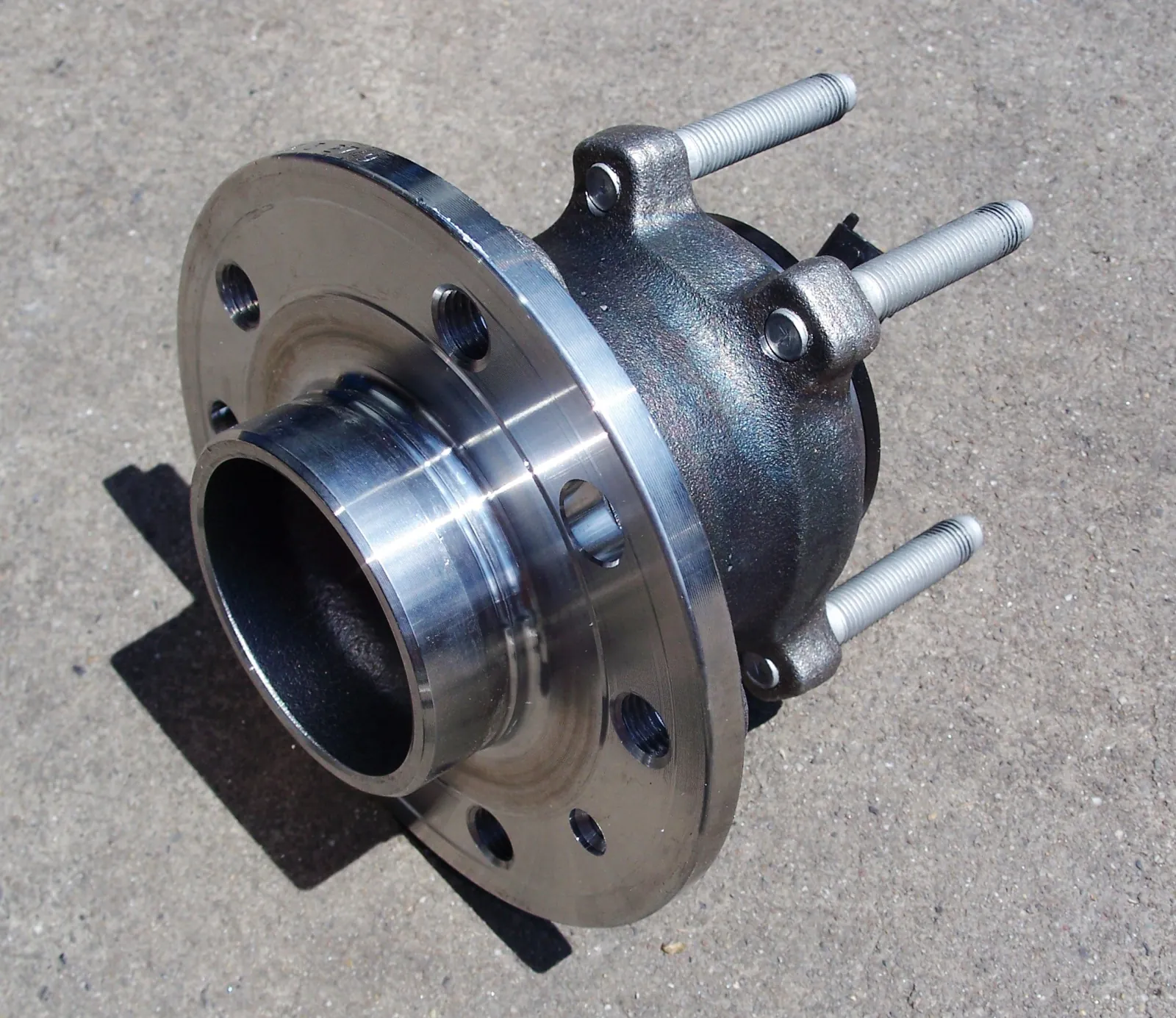
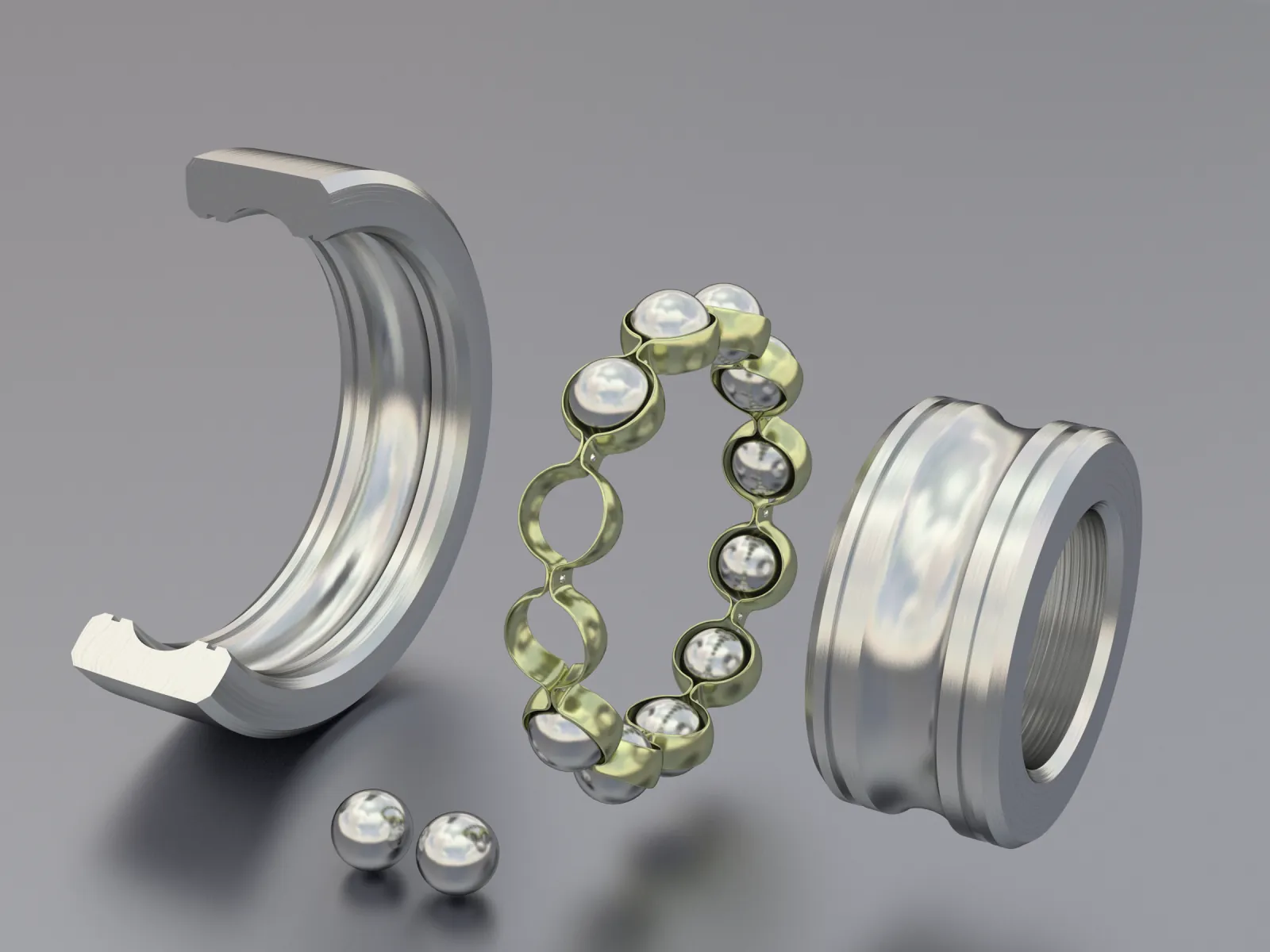
Most late cars hide the rolling bits in a sealed hub. Balls run between an inner race and an outer race. A cage keeps the spacing. Grease stays in. Grit stays out. You bolt the cartridge on. You do not pack it on the bench. The flange and the studs are how the wheel attaches. The bearing is how that flange is allowed to turn.
Older hubs — trucks, trailers, a lot of serviceable fronts — use a pair of tapered rollers instead. Cone and cup. Load at an angle. Two of them, facing each other, with a nut that sets the play. Same job: spin under load. It is not the CV joint. That one sends torque at a changing angle. This one holds the wheel up while it turns.