Published by HALOX Co.
What an EGR valve actually does
External EGR flow, pneumatic and electric valves, cooled EGR and why operating strategy cannot be reduced to warm/light-load versus closed/full-load.
Exhaust gas recirculation returns some exhaust to the engine’s next intake charge. The added gas changes the charge’s oxygen concentration and heat capacity, reducing peak combustion temperature and nitrogen oxide formation. The amount must be controlled for the engine’s operating conditions. HELLA explains the EGR circuit and NOx relationship.
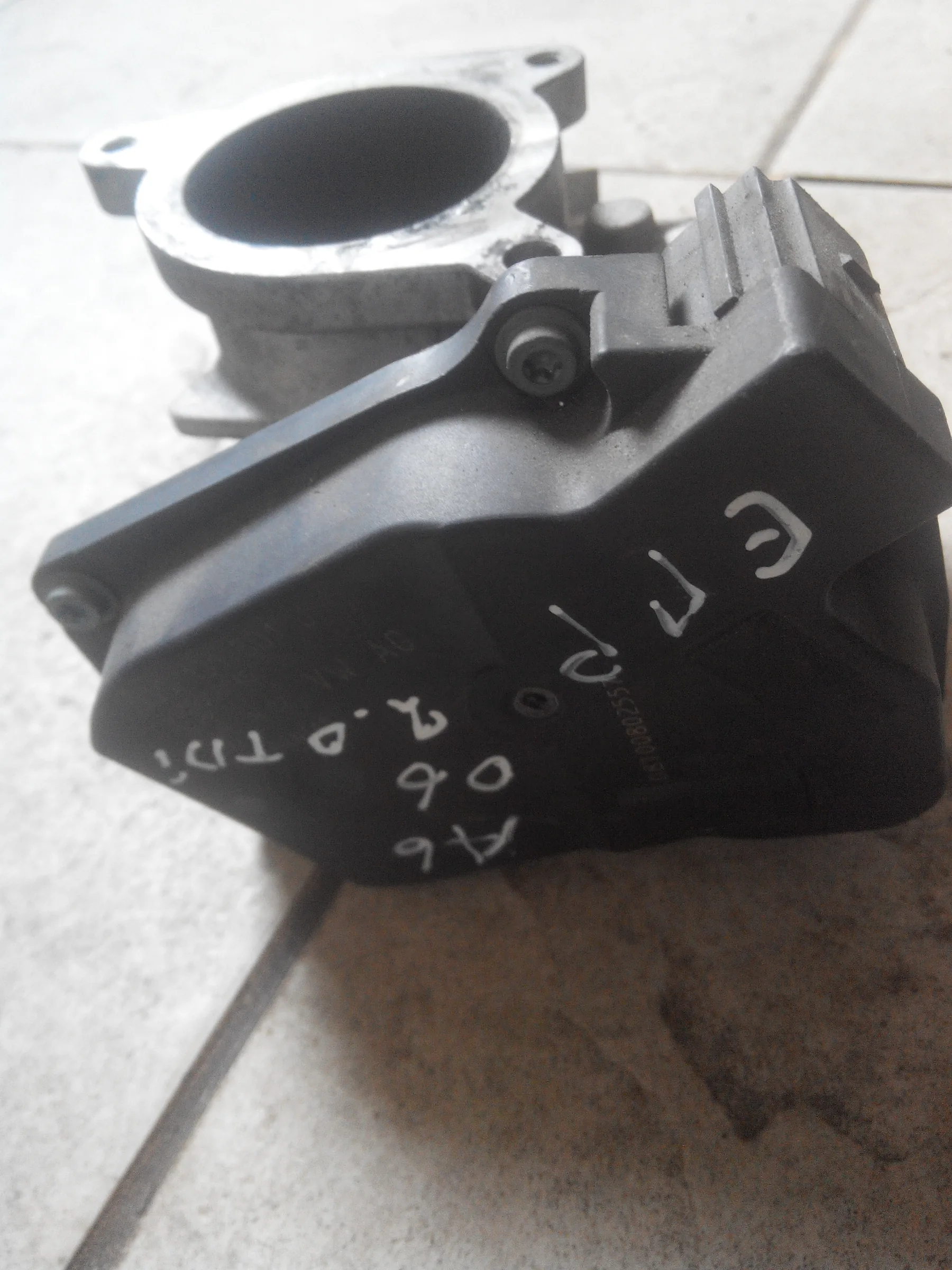

An external EGR system provides a passage from the exhaust side to the intake and a valve to meter that flow. Older arrangements can use a vacuum diaphragm; electronic designs use an actuator and may include position feedback. Valve shapes include poppet, slide and flap designs. A pintle on a circular seat is one construction, not the definition of all EGR valves.
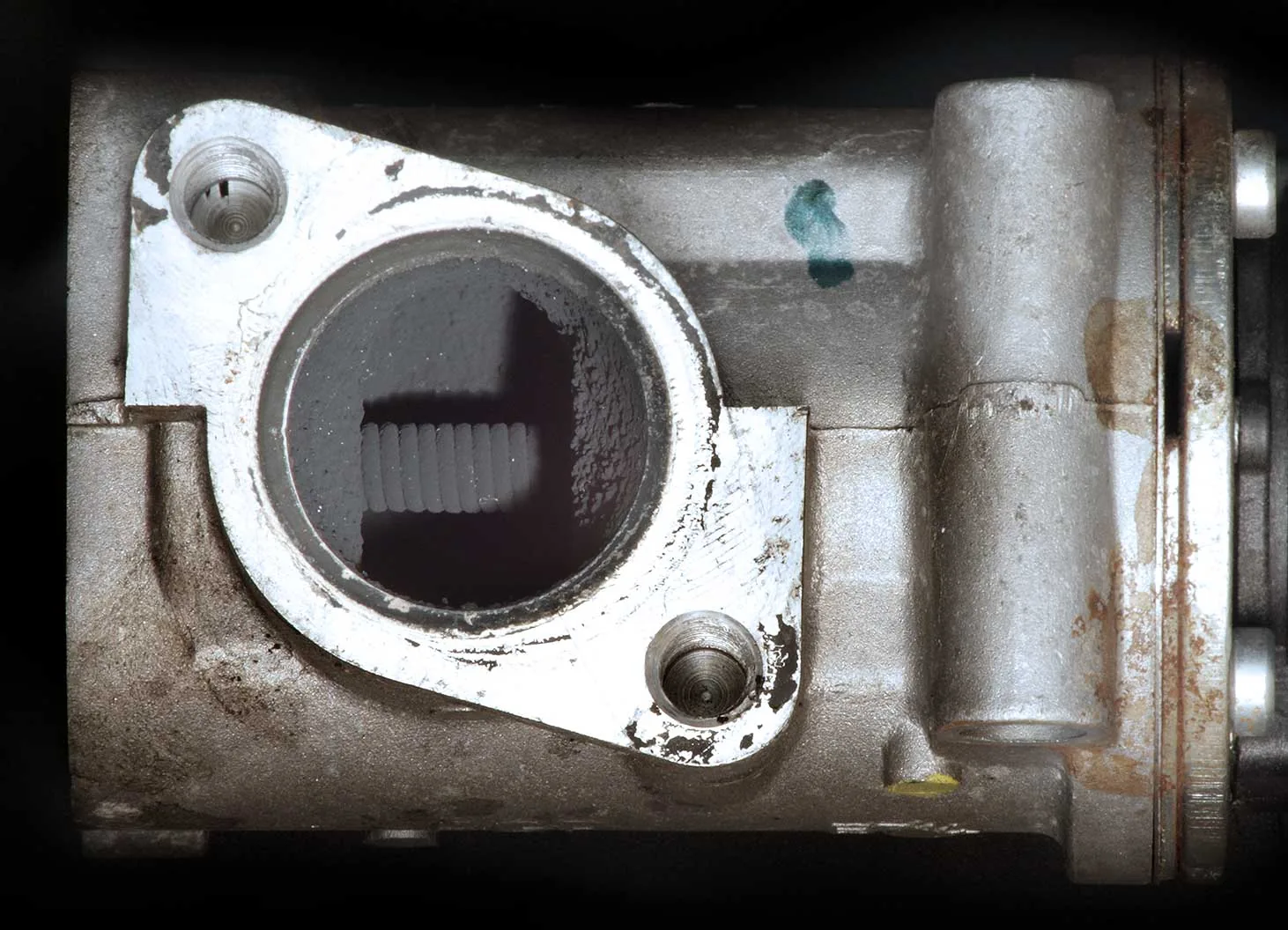

Valve position is only part of the system
The controller selects EGR according to the engine’s strategy, load, speed, temperature and other inputs. The amount of gas flowing also depends on pressure difference and the condition of the passages. A commanded position is therefore not a direct measurement of exhaust flow. HELLA’s electrical-valve explanation describes actuator and feedback designs.
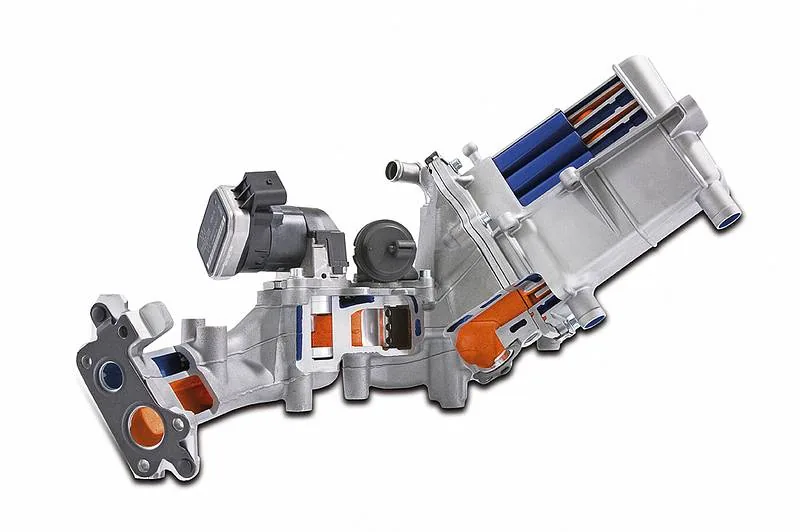

Many systems cool the recirculated gas through a heat exchanger before it enters the intake. High-pressure and low-pressure EGR layouts take and return gas at different points in the exhaust and intake system. Motorservice describes these EGR components and arrangements. They cannot be reduced to one universal rule that EGR always closes at full load or always opens whenever a warm engine runs lightly loaded.
An EGR valve changes the charge inside the engine. A catalyst or particulate filter treats exhaust leaving it; crankcase ventilation draws from the crankcase. Internal EGR can also retain exhaust through valve timing without the separate external valve described here. Deposits, poor running or an EGR-related fault code need system diagnosis, rather than an assumption that one visible valve is the complete system.
Sources
- HELLA: exhaust gas recirculation — NOx reduction, internal/external EGR and valve designs
- Motorservice: EGR systems — EGR valve/cooler components and high/low-pressure arrangements
References checked .