Published by HALOX Co.
Why curb weight is not the same as GVWR
U.S. curb weight and GVWR definitions, the vehicle-specific loading label, and why passengers, added equipment and trailer tongue weight all count.
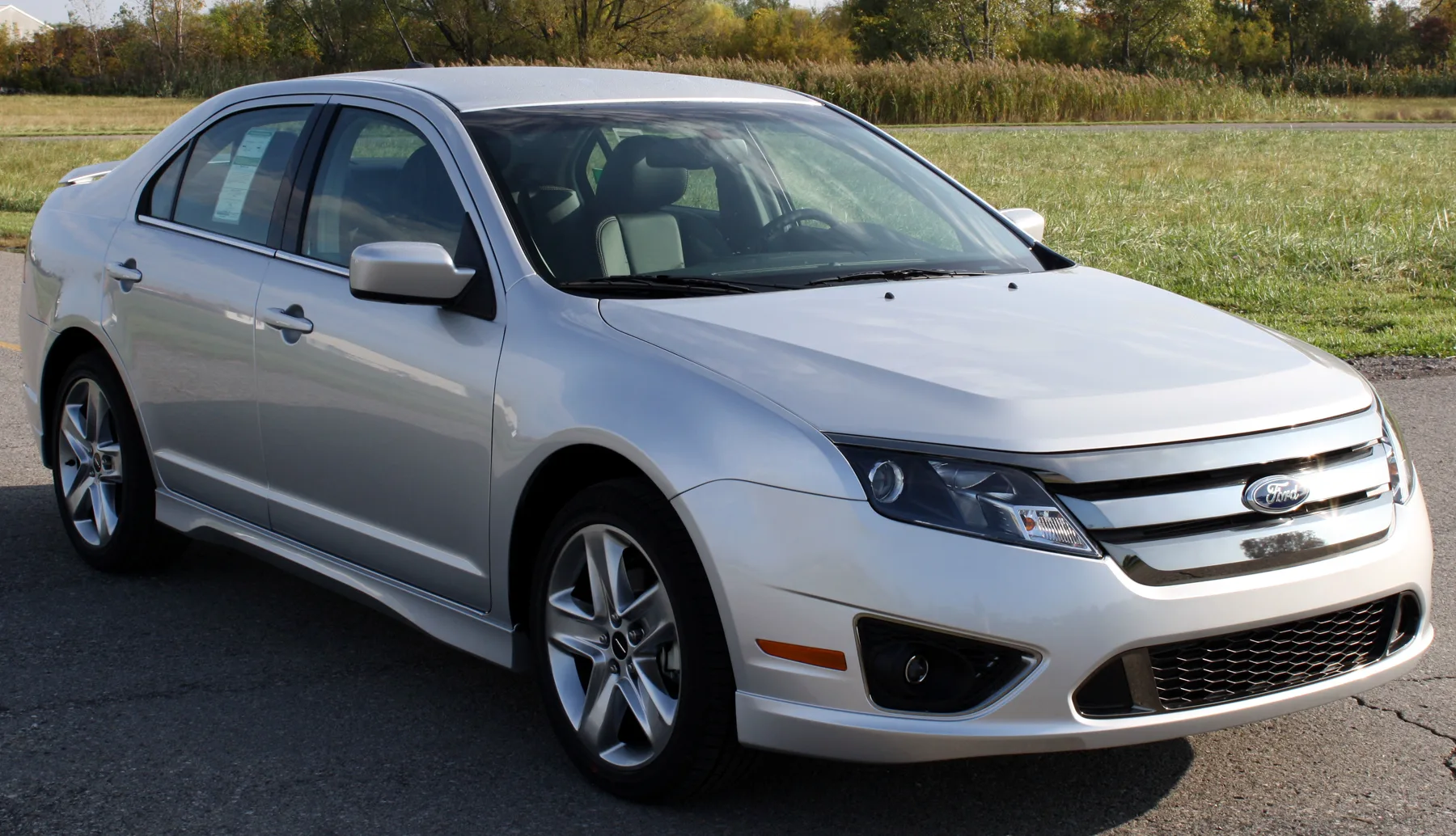


A weight rating is a limit; a vehicle’s weight is a measured or specified amount under defined conditions. The driver’s door area can carry both a certification label with GVWR and axle ratings and a Tire and Loading Information label with an occupant-and-cargo limit. They answer different questions.
In the U.S. federal definition, curb weight includes standard equipment and full fuel, oil and coolant capacities, with specified equipment allowances. It excludes the people and cargo you add for a trip. GVWR is the manufacturer’s rated loaded weight for a single vehicle. 49 CFR 571.3 defines both terms. Brochure conventions and fitted options must be checked before comparing numbers.
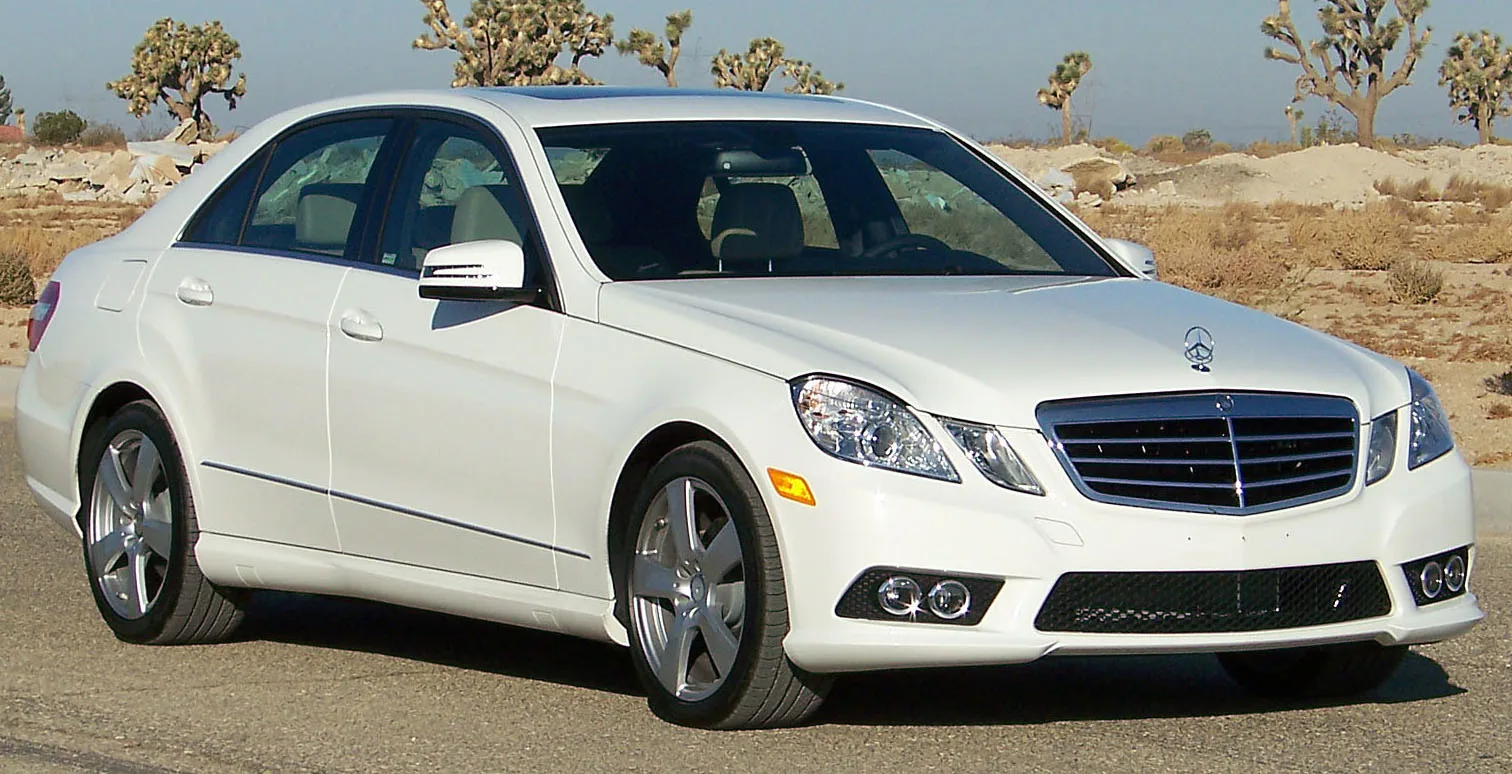


Use the label for the vehicle you have
Subtracting the actual unloaded vehicle weight from GVWR gives a total loading margin, but a base-model brochure curb weight may not describe your vehicle. Options and added equipment consume that margin. Ford’s loading guidance directs owners to the vehicle’s Tire and Loading label and subtracts added equipment from its listed payload.
Passengers, luggage and trailer tongue or kingpin weight count toward payload. For example, a hypothetical 1,500-pound listed capacity minus 400 pounds of people, 100 pounds of added equipment and 200 pounds of tongue weight leaves 800 pounds for other cargo. Those figures illustrate arithmetic, not a claim about the pictured sedan.
Total weight is not the only constraint. Each axle must stay within its GAWR, and tire limits and towing requirements still apply. Weigh the vehicle in the travel configuration, including separate axle weights when needed, and compare the results with its own labels. A “6,000-pound GVWR” listing gives a ceiling; it does not tell you what the car weighs empty or what you can still load.
Sources
- eCFR: 49 CFR 571.3 definitions — U.S. curb weight, GVWR and GAWR definitions
- Ford: load limits — Vehicle-specific payload, added equipment, tongue weight and axle limits
References checked .